Type new intake immediately
Propose document type, provenance, dossier relation and risk on arrival.
BronVast Flow places knowledge created while making data archival back into new digital flows. A local model can recognise document types, extract fields, propose metadata, run checks and guide information to the right route or colleague as it arrives.
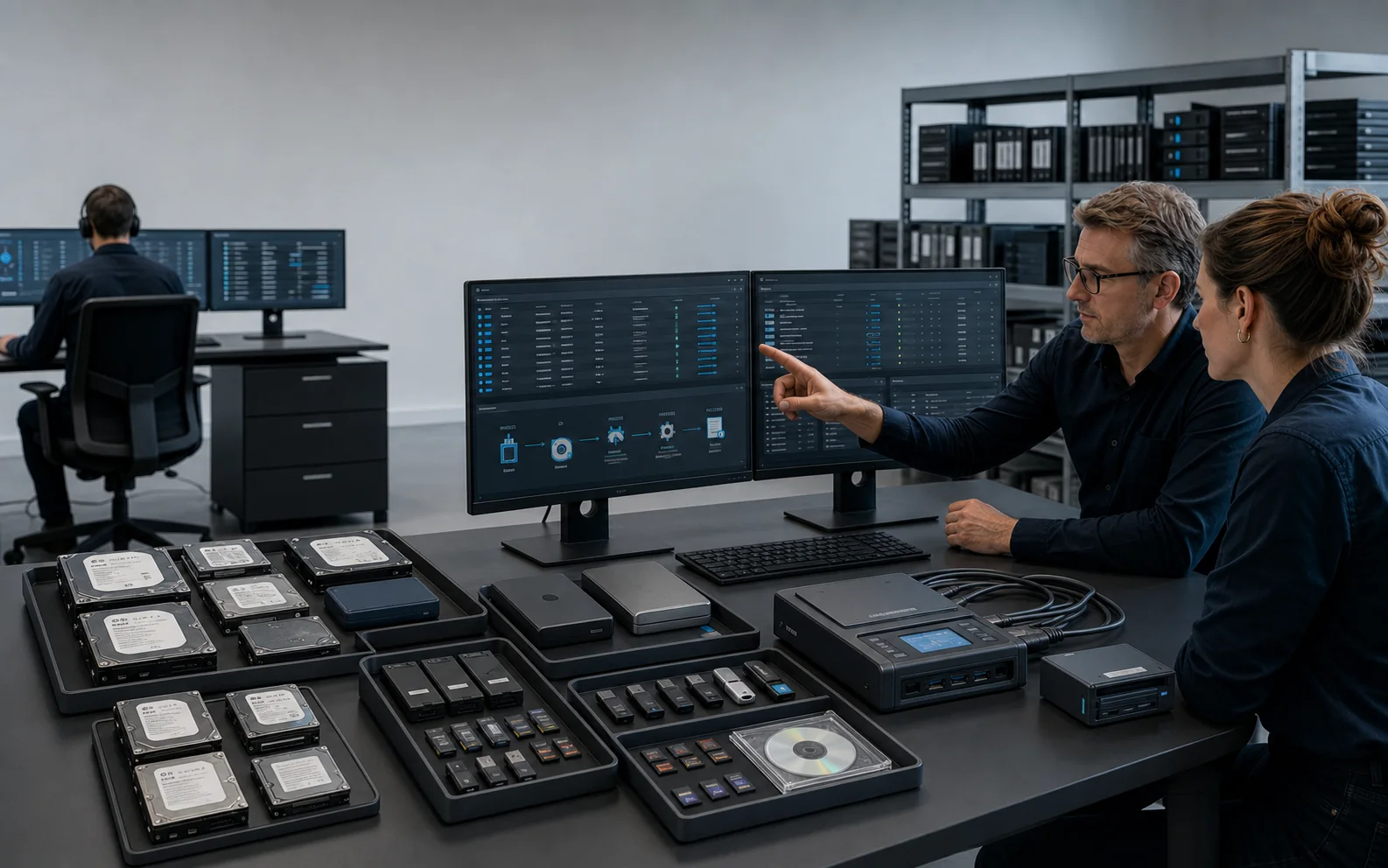
Propose document type, provenance, dossier relation and risk on arrival.
Metadata and context guide objects to the right treatment, facility or review role.
Human feedback is managed as evaluation data, never unnoticed training.
mailbox, upload, export or process record
type, metadata, relation and destination
thresholds, rules and exceptions
accept, correct or escalate
evaluate, document and controlled rollout
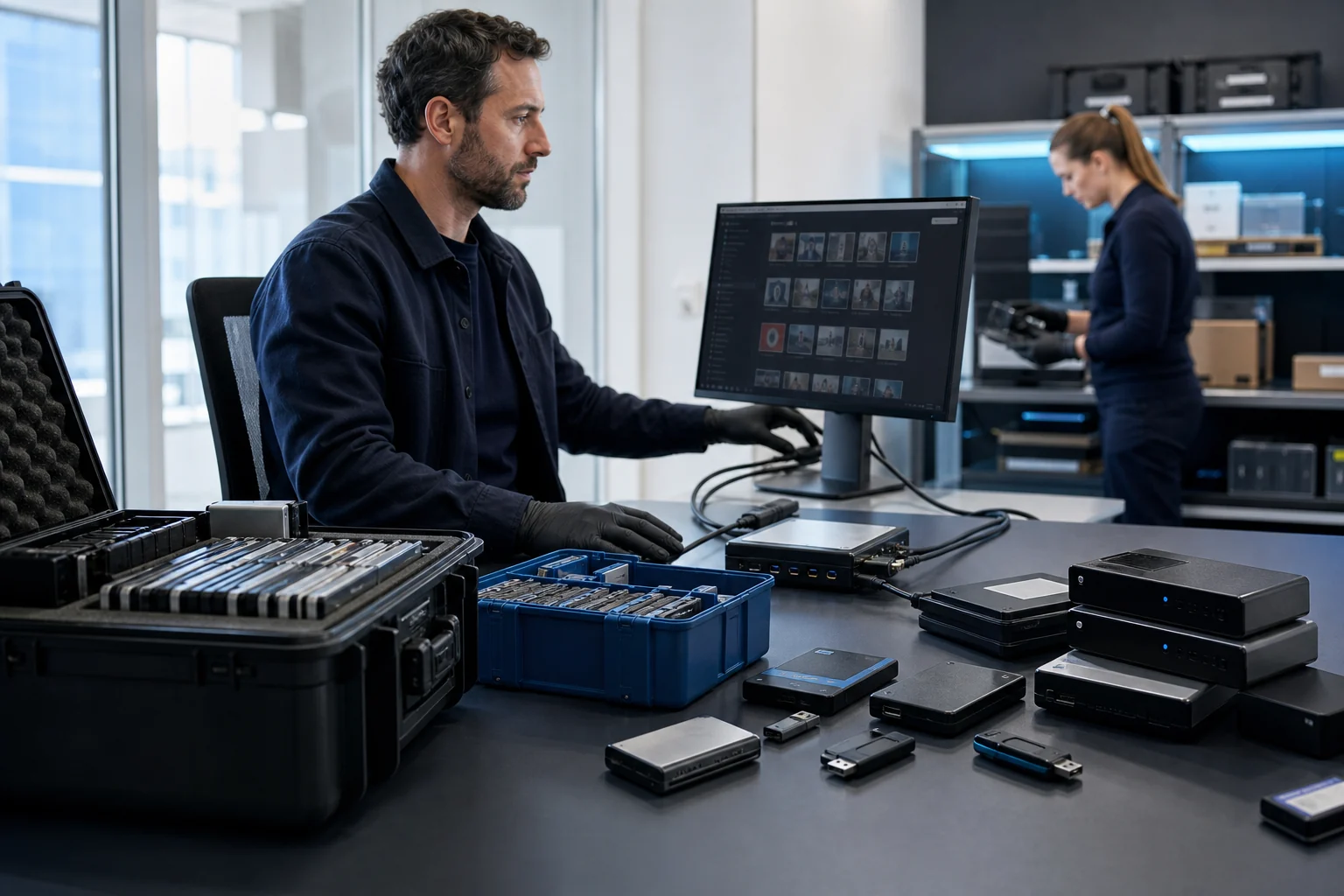
Every source can pass the same first checks on arrival: provenance, integrity, document type, format, metadata, privacy risk and intended destination.
Document profiles, vocabularies, taxonomies, exceptions and corrections created during processing become managed building blocks. After evaluation, they can be reused in daily intake.
A local assistant can find information and help users choose the right next action.
Triggers, document types, metadata, thresholds, routes and exceptions.
High risk and low confidence visibly prioritised.
Quality, throughput, corrections, drift and incidents as governed KPIs.

High confidence can accelerate permitted routine tasks. Low confidence, exceptions and high-risk decisions move visibly to a person. Each correction can improve the next model version.
The flow can operate alongside existing DMS, case management, mailbox or portal processes. Integrations are bounded, logged and include a fallback when a model or connection is unavailable.
We align the route with recognised standards and specifications where they fit the source, destination and customer responsibility. This is never presented as automatic certification.
Yes, after reviewing APIs, exports, access rules and failure handling. Connections preserve recognisable source and responsibility.
Not for destruction, appraisal, rights or other high-risk decisions without explicitly agreed human review. Models make proposals within set boundaries.
Through fixed evaluation sets, quality measurements, drift monitoring, version control and feedback from authorised users. New versions are deployed only after review.
Start with one source, one process or a read-only assessment. We will define what should remain local, what evidence is required and which route creates value first.