Ready for shorter transfer timelines
Appraisal, selection, access restrictions and destruction proposals under the approved retention schedule are included from intake, with evidence per action.
Archival institutions, municipalities and other public bodies face the same challenge: making unstructured digital archives accessible in an automated way, within the Dutch Archives Act, retention schedules, MDTO and DUTO. BronVast connects those archival frameworks with local AI in one controllable processing route — not an exploration, but a service that can start today.
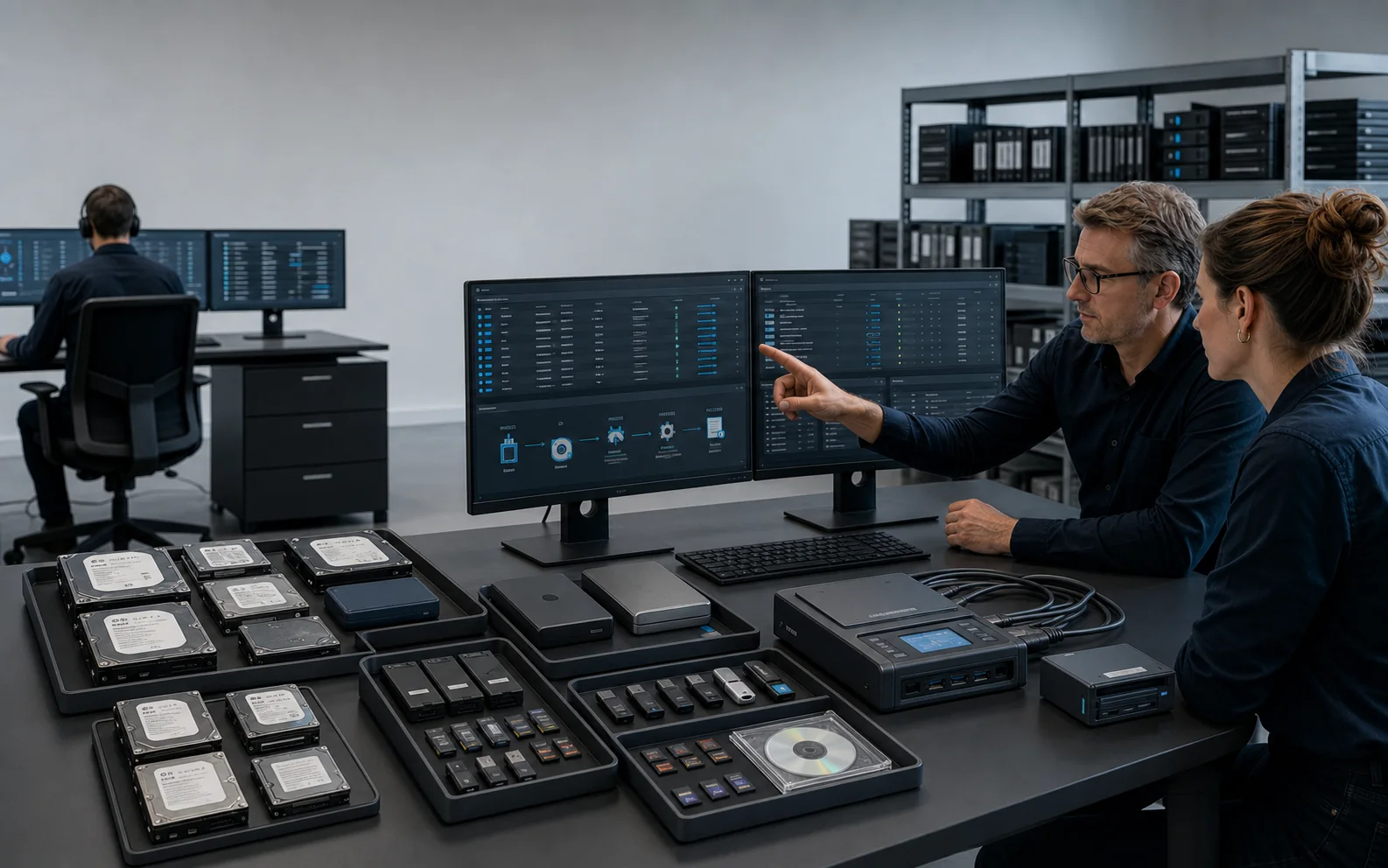
Appraisal, selection, access restrictions and destruction proposals under the approved retention schedule are included from intake, with evidence per action.
Metadata is built according to the MDTO schema and tested against the DUTO characteristics: findable, available, readable, interpretable, reliable and future-proof.
Local models describe, arrange and route under human control, with evaluation sets and recorded corrections.
business applications, network drives, mail and media
retention schedule, hotspots and exceptions
objects, aggregations and controlled vocabularies
SIPs for an e-depot or managed environment
public access, Woo requests and new intake
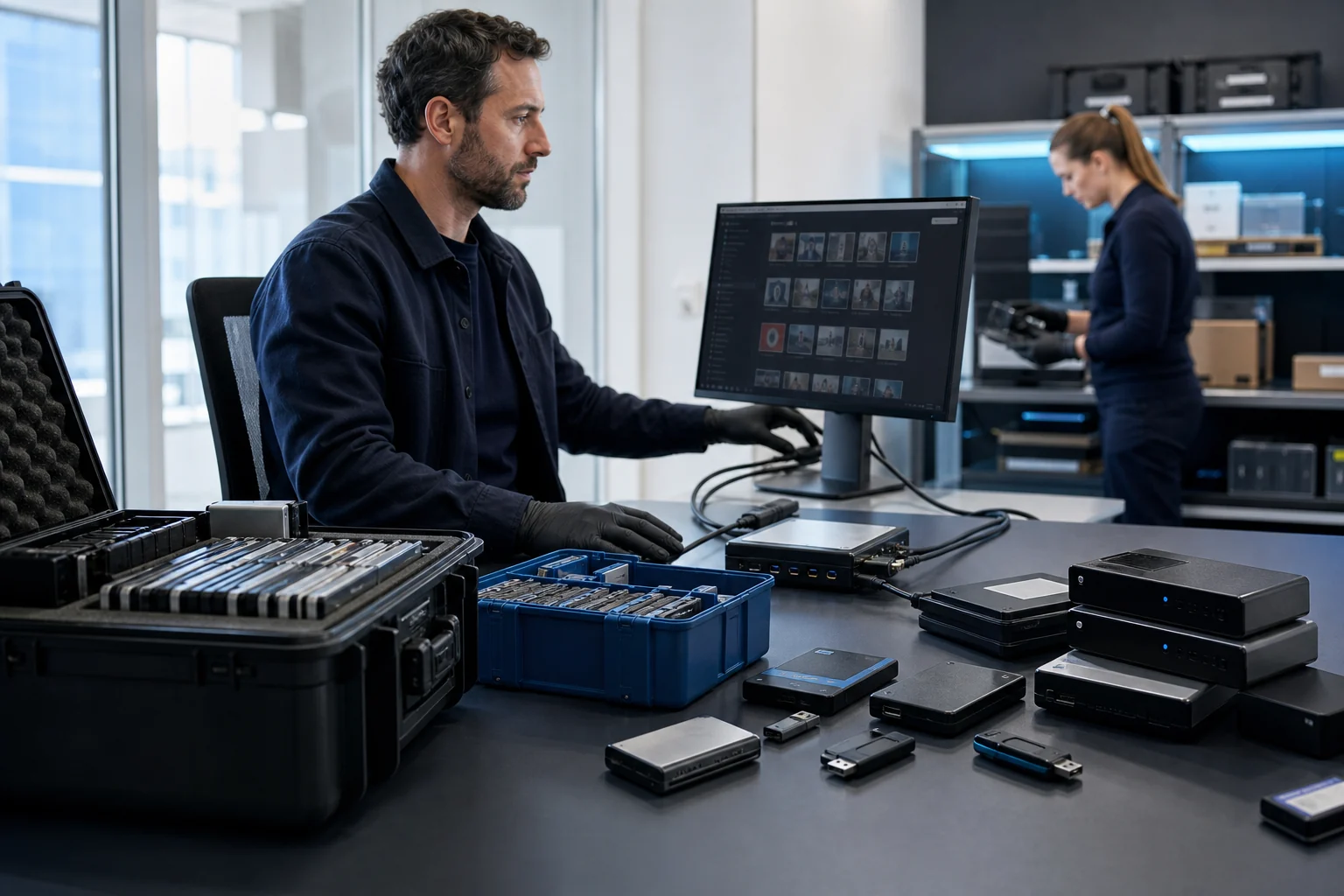
An export full of case files, documents and database tables is registered, appraised and enriched with MDTO metadata. The result: information packages an e-depot or managed environment can ingest under control.
The Dutch Archives Act requires sustainable accessibility; daily practice requires capacity. BronVast translates the frameworks into concrete, controllable work packages.
What is still exploration or proof of concept elsewhere, 2dA sets up as a controlled service: local AI that describes and arranges while the archivist decides.
SIPs with MDTO metadata, checksums and processing evidence, ready for an e-depot or managed environment.
Every decision, migration and exception recorded traceably for archival inspection and internal control.
Subject to the agreed licences and arrangements, vocabularies, document profiles, evaluation sets and local models can remain available to the organisation. Each next transfer can then start further ahead than the last.

Document profiles, vocabularies and approved corrections remain available as managed building blocks. The next transfer or new intake does not start from zero, but from everything already proven to work.
Processing, metadata, embeddings and model inference can run on site or in a segregated environment, aligned with information security frameworks such as the Dutch BIO baseline. Only agreed reports and information packages leave the processing zone.
We align the route with recognised standards and specifications where they fit the source, destination and customer responsibility. This is never presented as automatic certification.
Yes, after aligning the SIP profile, metadata and delivery requirements of the receiving environment. Where appropriate and agreed, MDTO-conformant delivery can be configured; other profiles are also possible.
Metadata is built according to the MDTO metadata schema and, where agreed, delivered as an MDTO SIP. Existing TMLO or system metadata is mapped rather than discarded.
According to the Dutch central government, the Archives Act 2026 enters into force on 1 January 2027, including a ten-year transfer period. Starting earlier on digital-born backlogs becomes more important; a read-only assessment makes the challenge concrete.
That can be possible, depending on scale, complexity and responsibilities. The route is designed so that a small records team can review proposals instead of describing everything manually. 2dA provides capacity, tooling and evidence; the authorised body keeps the decisions.
Start with one source, one process or a read-only assessment. We will define what should remain local, what evidence is required and which route creates value first.