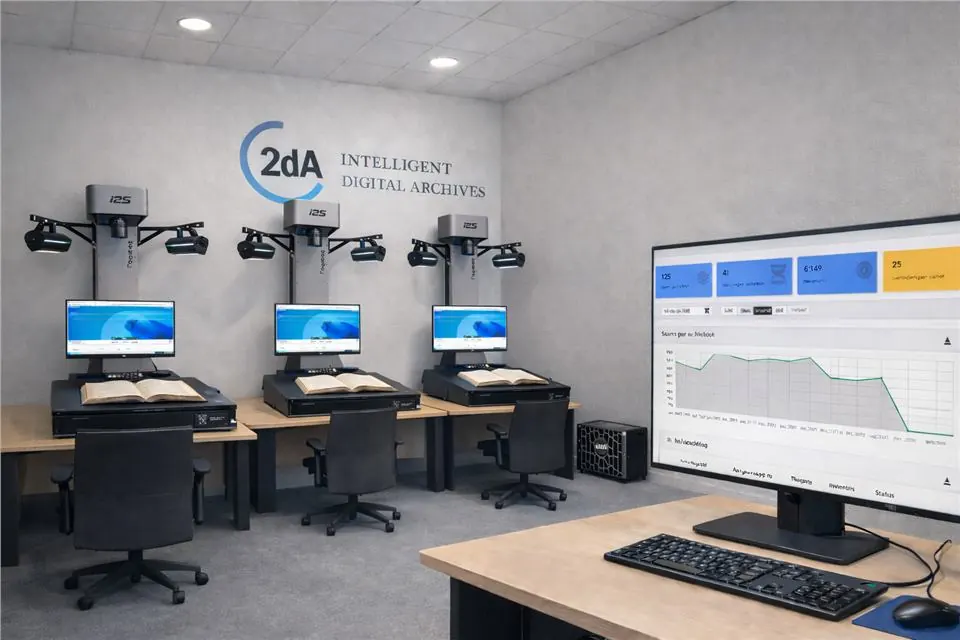
Scanning on demand
Digitise exactly the records that are needed now, supported by an in-house platform that can run locally or in a hybrid setup and helps absorb peak pressure.
Read more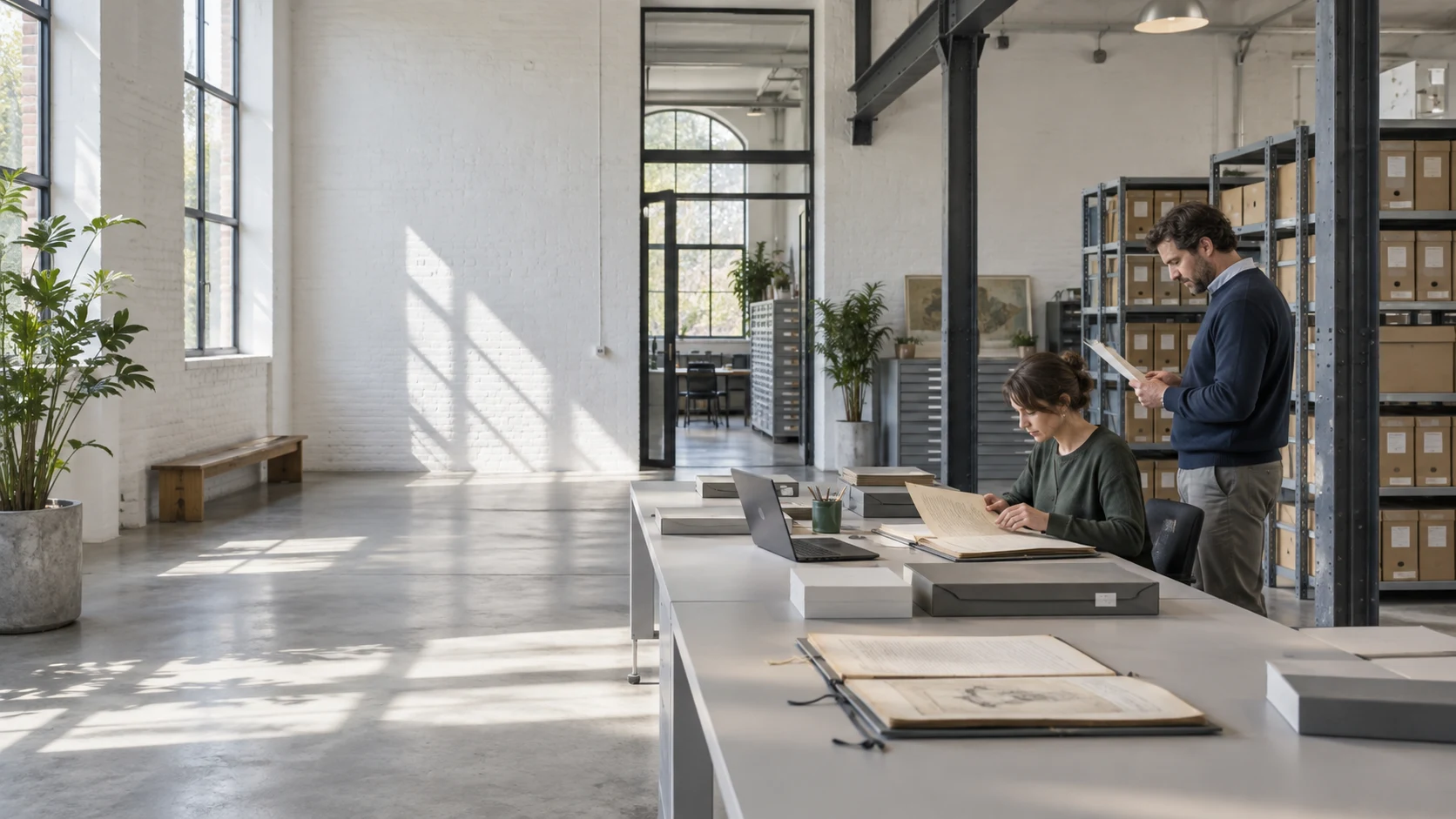
Digitisation preservation information processing
2dA processes physical collections, records and digital-born files into reliable, findable and usable information. From preparation and digitisation to metadata, storage and local intelligence.
Digitise exactly the records that are needed now, supported by an in-house platform that can run locally or in a hybrid setup and helps absorb peak pressure.
Read more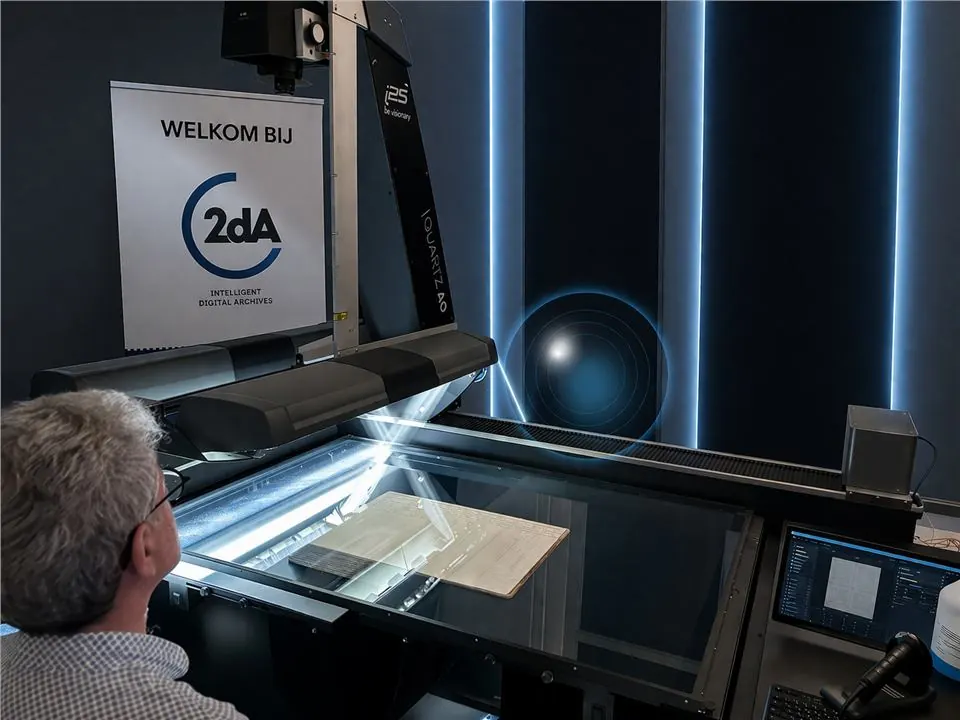
Digitise fragile collections and cultural heritage with care, with attention to preservation, quality and digital visibility.
Read more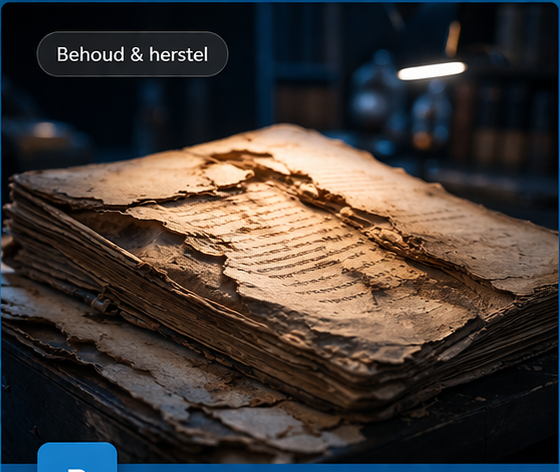
Stabilise and treat damaged or fragile archive material as the basis for safe handling and responsible digitisation.
Read more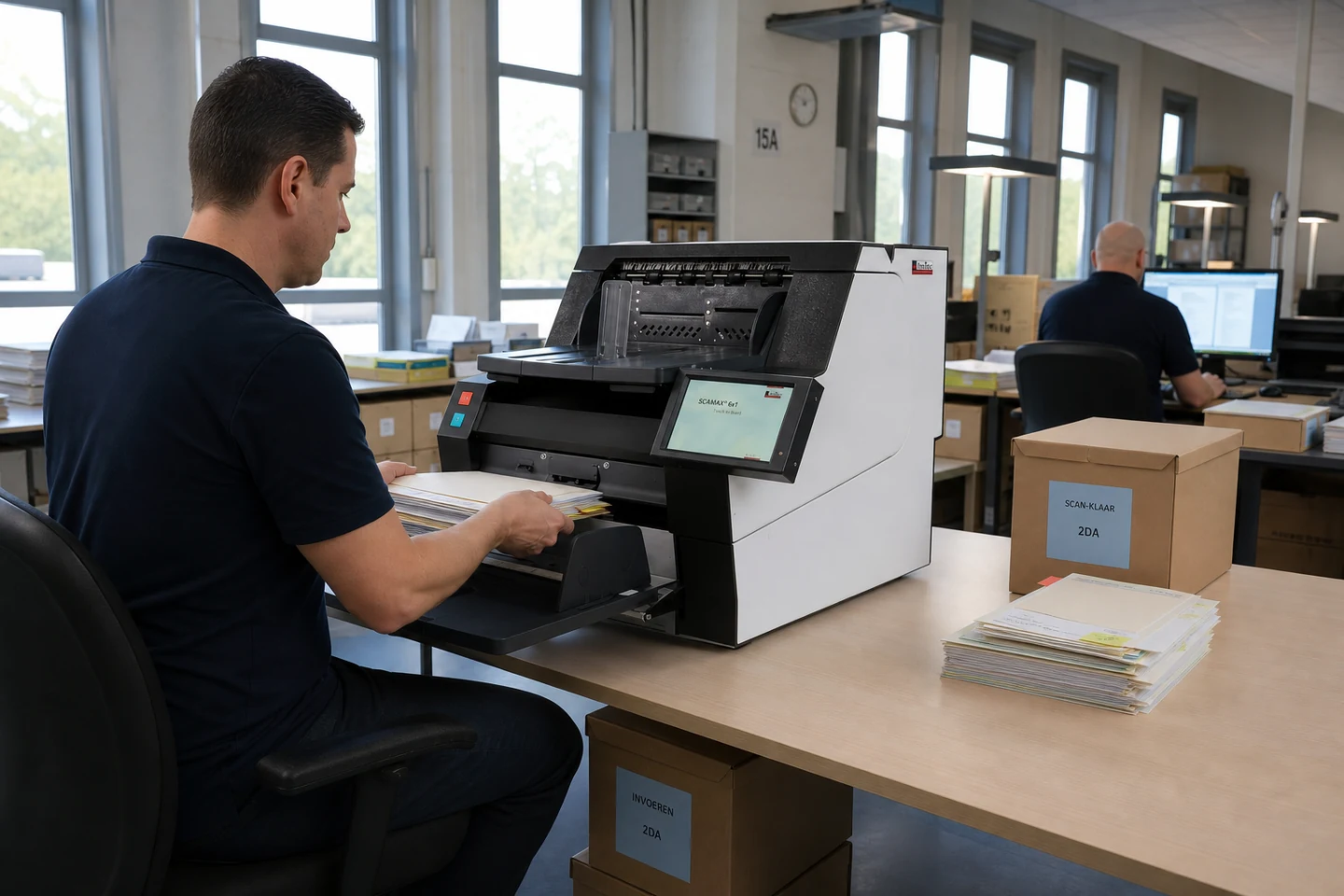
Digitise large volumes of files, documents and collections at scale without losing control over structure and quality.
Read more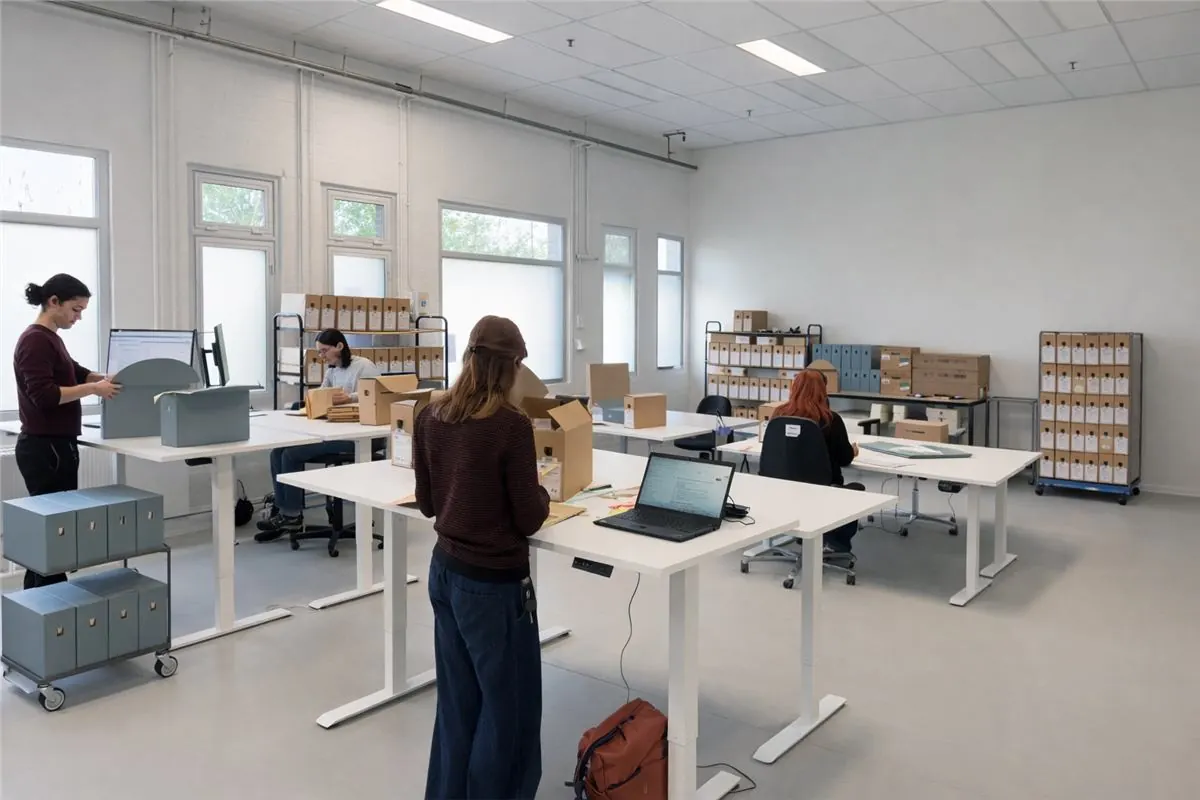
Order, describe and enrich archives for better findability, clearer management and a stronger digital foundation.
Read more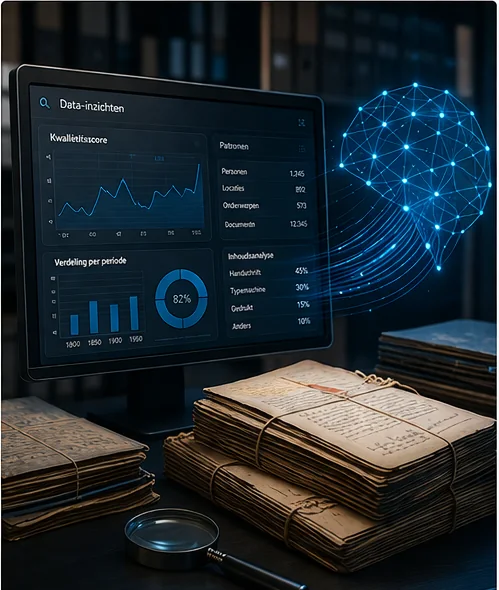
Practical AI for archives, collections and document environments: local where needed, securely configured and directly usable in practice.
Read more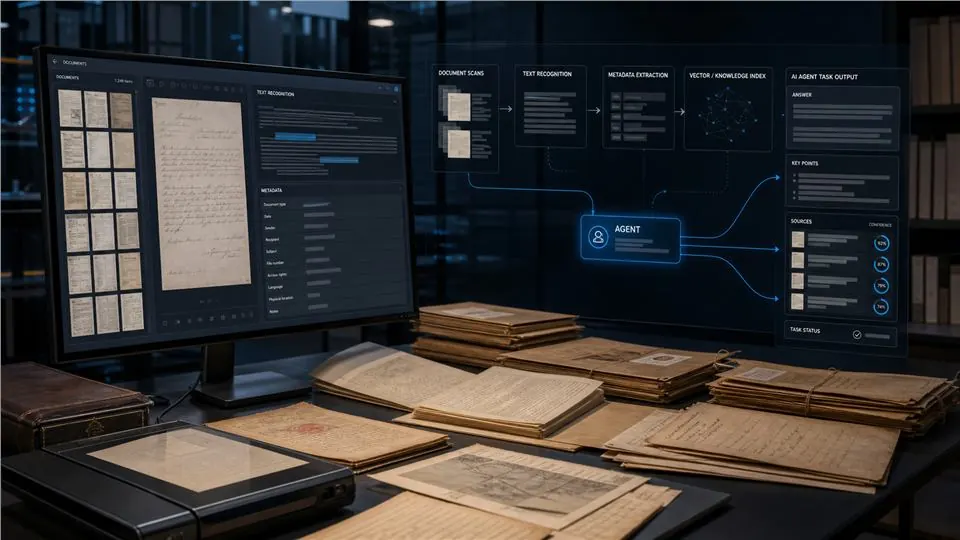
Search, summarise and ask questions locally and safely about documents and archive data within your own environment.
Read more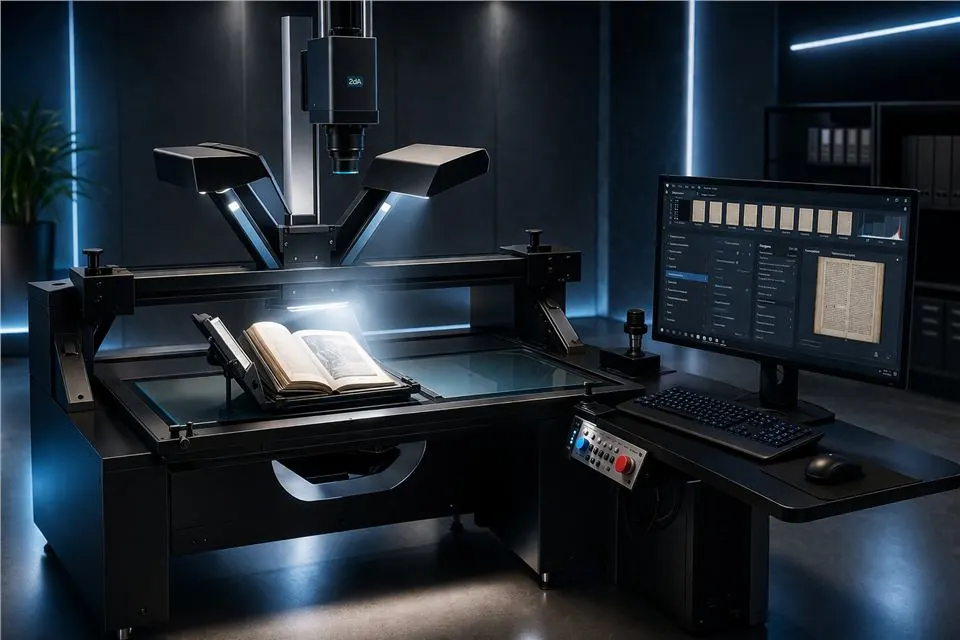
Digitisation under high quality standards for collections where reproducibility, sustainability and image quality matter greatly.
Read more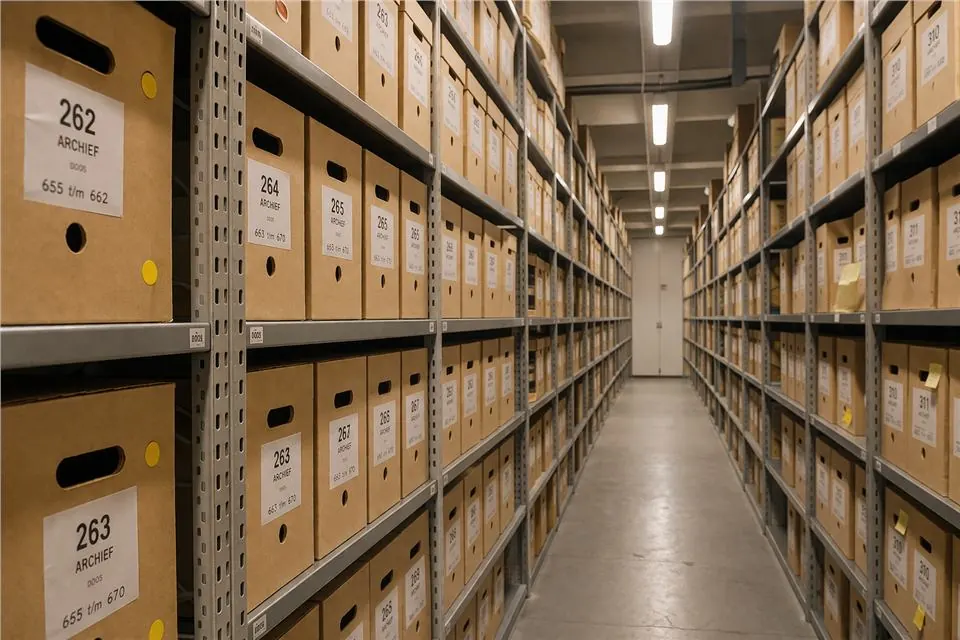
Organise physical and digital archive storage logically, with attention to order, protection and future accessibility.
Read more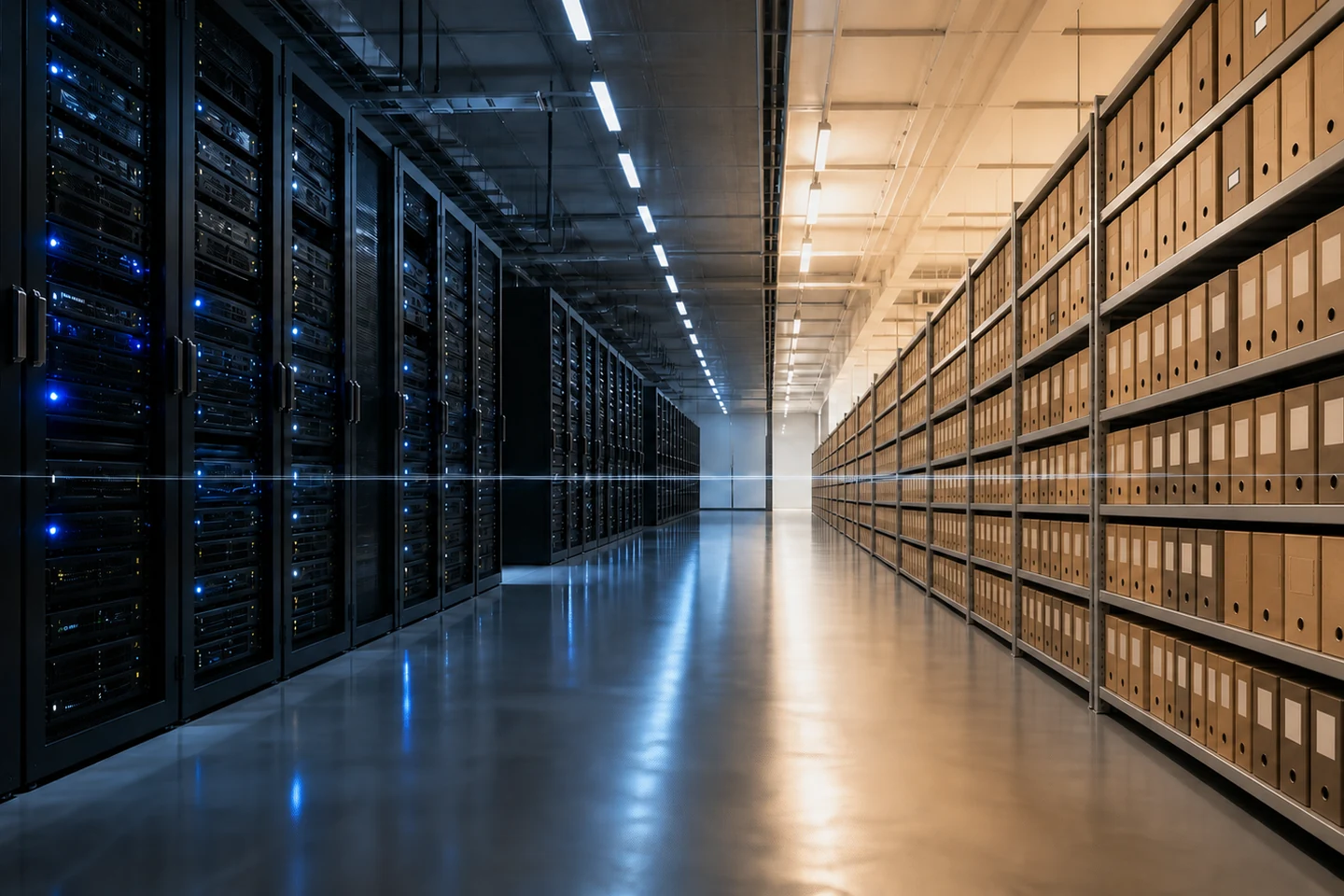
Store your files and data securely in our environment and access them whenever needed.
Read moreScanning lines, the conservation studio, software and subject specialists work as one process. This keeps the material, quality and digital outcome connected.
Meet 2dA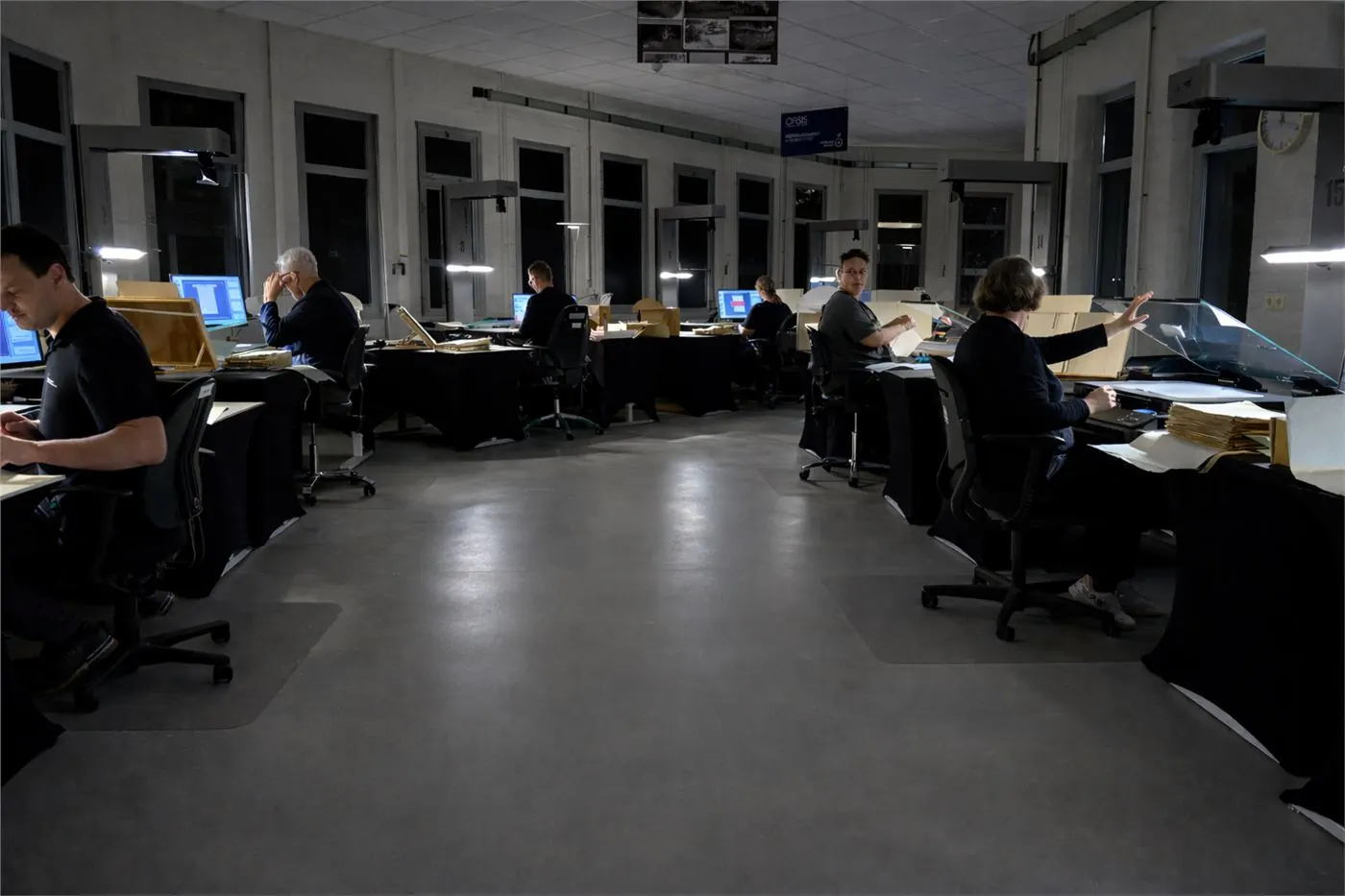 Work floorDigitisation with every step in view
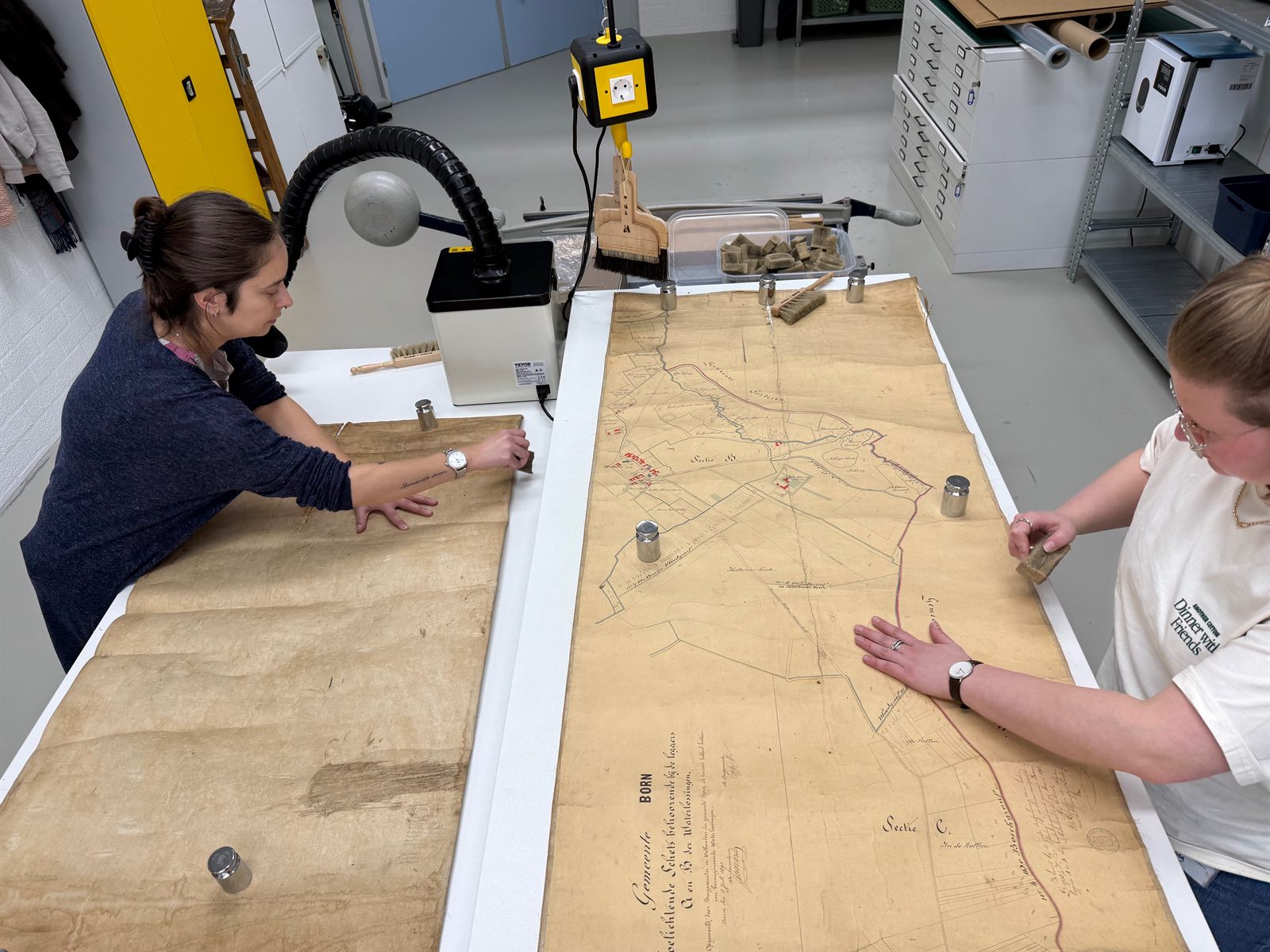 In-house studioConservation and preparation
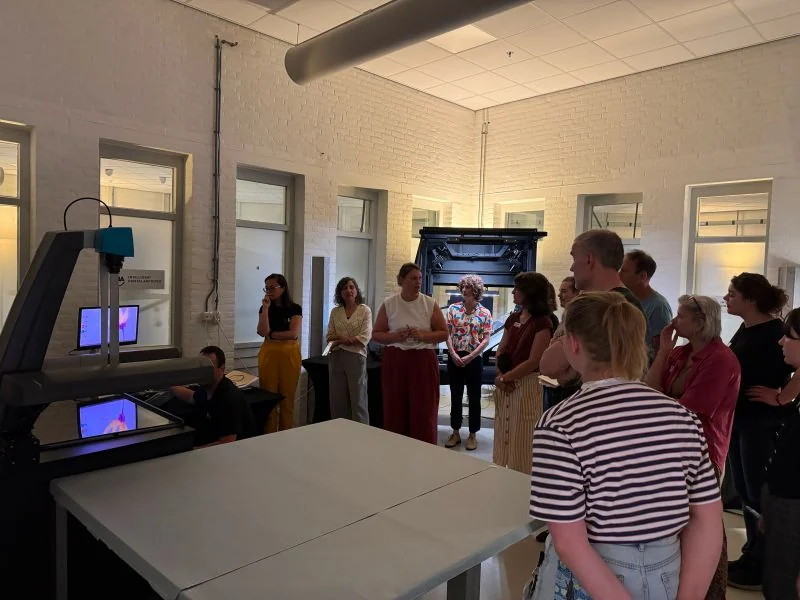 Sharing expertiseTechnology and craft together
From digital source to demonstrably managed archive.
Fileshares, mailboxes, WhatsApp and chat messages, system exports, hard drives and other digital sources are inventoried, selected, validated and enriched with context and metadata through a controlled processing line.
For WhatsApp, Signal, SMS and Teams, BronVast Messages provides a facilitated Scan of sources, roles and risks, leading to a responsible first step.
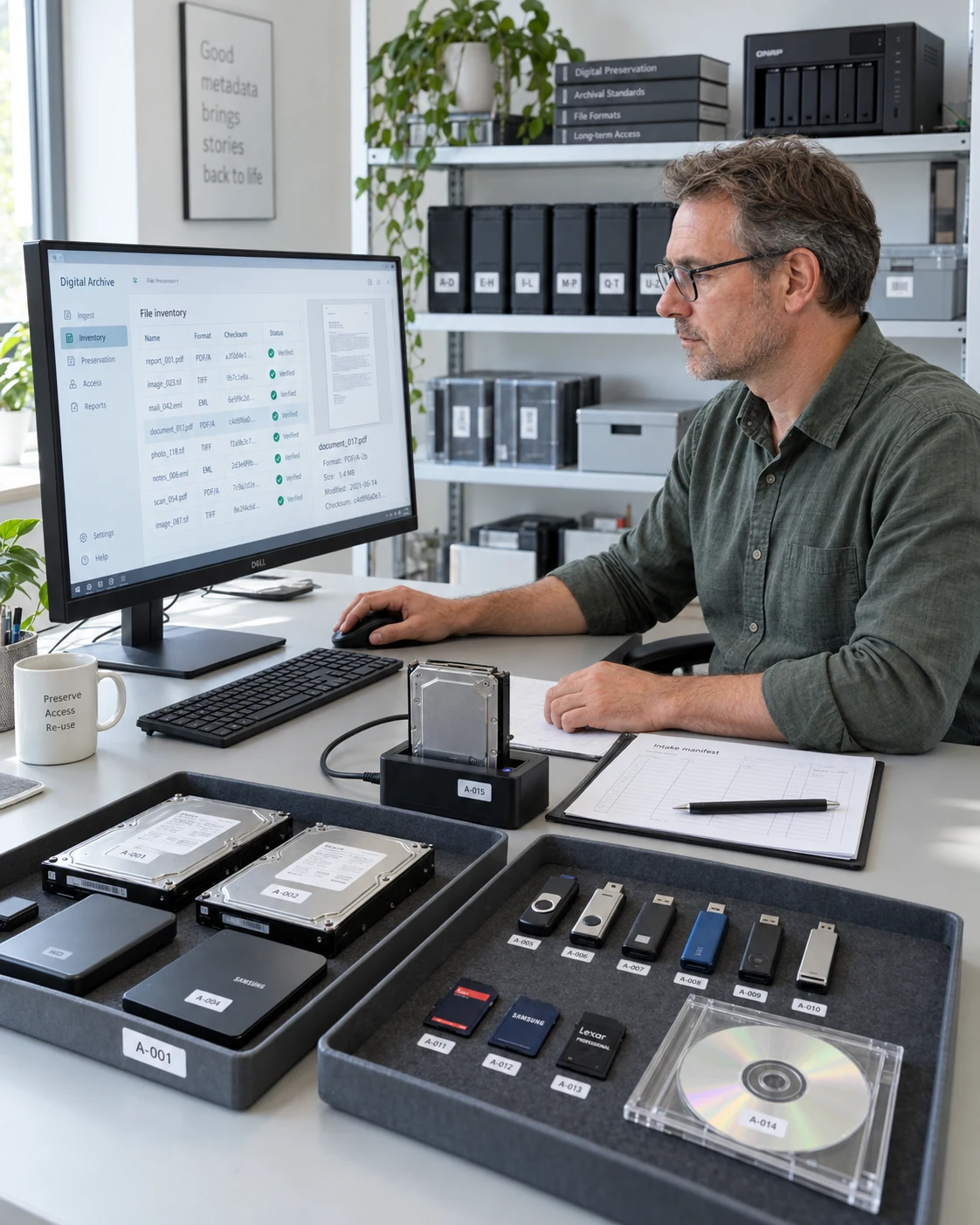
We do not start from a standard scan line, but from material, structure, risk and use.
For archives, libraries, museums, public bodies, companies and other document-intensive organisations.
2dA connects scanning, restoration, archive processing, metadata, OCR, HTR for handwriting and pages where that truly helps, anonymisation, AI applications and storage into one logical line, with in-house restorers, archivists, junior archivists, ICT specialists and programmers.
At 2dA, disciplines genuinely connect. Restorers, archivists and technical specialists bring material, arrangement, metadata, software, quality control and AI together in a digital result that remains usable over time.
Some trajectories run entirely on the 2dA work floor. Others specifically require on-site digitisation, a temporary production line at the customer site or a scanning-on-demand solution in an environment where the client already works with their own scanners. This is exactly where 2dA makes the difference with a software platform developed fully in-house: it can run entirely inside the client environment or as a hybrid setup, so logistics, security, capacity and user demand reinforce rather than block each other.
2dA organises processes so that quality, support and development advance together. That creates space for specialist work, but also for roles that can be learned and expanded step by step. The result is a working environment in which technology supports people and opportunities are also created for employees who are further from the labour market.
Go directly to the topic that best matches your question.
A trajectory can begin with restoration and continue into digitisation. But it can also start with scanning on demand, grow into a fully organised service at the client and later be extended with metadata, anonymisation, AI or archive storage. Thanks to a platform that can be deployed fully locally or in hybrid form, 2dA can also help during peak hours and peak days without leaving all delivery pressure with the organisation itself.