Stabilise first, then continue safely with scanning, packaging, transport and further processing.
Restoration
Restoration that brings preservation, handling and digitisation back into balance
At 2dA, restoration is not an isolated afterthought, but a careful starting point for everything that follows. Fragile maps, plans, parchments, sealed items, files and technical drawings require treatment that does not just reduce damage, but makes the object safely manageable again for storage, scanning, packaging and future use.
We also carry out that restoration ourselves. In the studio, 2dA restorers work on stabilisation, detail repair and preparatory treatment for material that would otherwise be too fragile, too distorted or too risky for further processing. This is exactly where 2dA's strength comes together: restorers in-house, connected directly to digitisation, metadata, scan lines and sustainable accessibility, while archivists, junior archivists and technical specialists can review what needs to happen next with the material.
Stabilisation and repair
Scan-safe material
Preservation and onward use
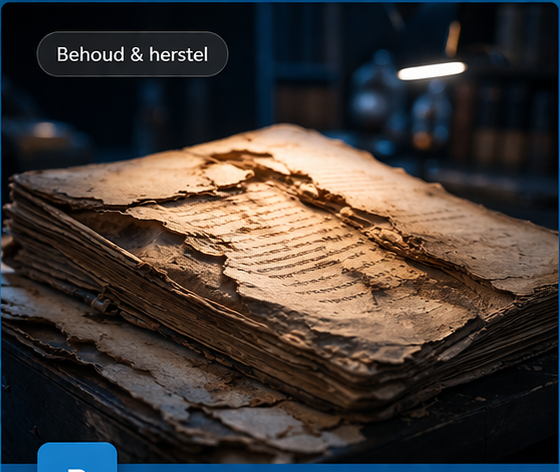
Why this matters
Stabilise first, then continue responsibly
Fragile material often cannot simply be scanned, packed, transported or consulted safely. Restoration makes those next steps workable again without putting the object or its informational value under further pressure.
2dA approach
Studio, digitisation and management connect directly
At 2dA, restoration is linked directly to digitisation, metadata, scan lines, storage and sustainable accessibility. Because we have restorers in-house and archivists and technical specialists can review the follow-up route, treatment never stands apart from what needs to happen afterwards.
Every treatment is tailored to condition, risks, historical build-up and the intended next use.
Studio, scan line, metadata and retrieval processes connect at 2dA, so restoration strengthens the full chain.
In practice
Fragile material requires calm, precision and a well-considered treatment
Maps, plans, parchments, sealed items and technical drawings behave differently from standard paper records. Tears, tension, deformation and weak fastenings can complicate every follow-up step. That is why a strong trajectory begins with an assessment that looks at condition, risk and onward route at the same time.
That careful start is what makes restoration more than repair work: it becomes the basis for safe management and further digital processing.
Follow-up value
Restoration only gains real value when the next step becomes safe again
At 2dA, treatment is never aimed only at the object of today. We look ahead: how should this material move through the scan line later on, how will it be packed, what support is required and how do we prevent follow-on damage during transport or consultation? That exact connection is what makes the trajectory stronger.
Studio in view
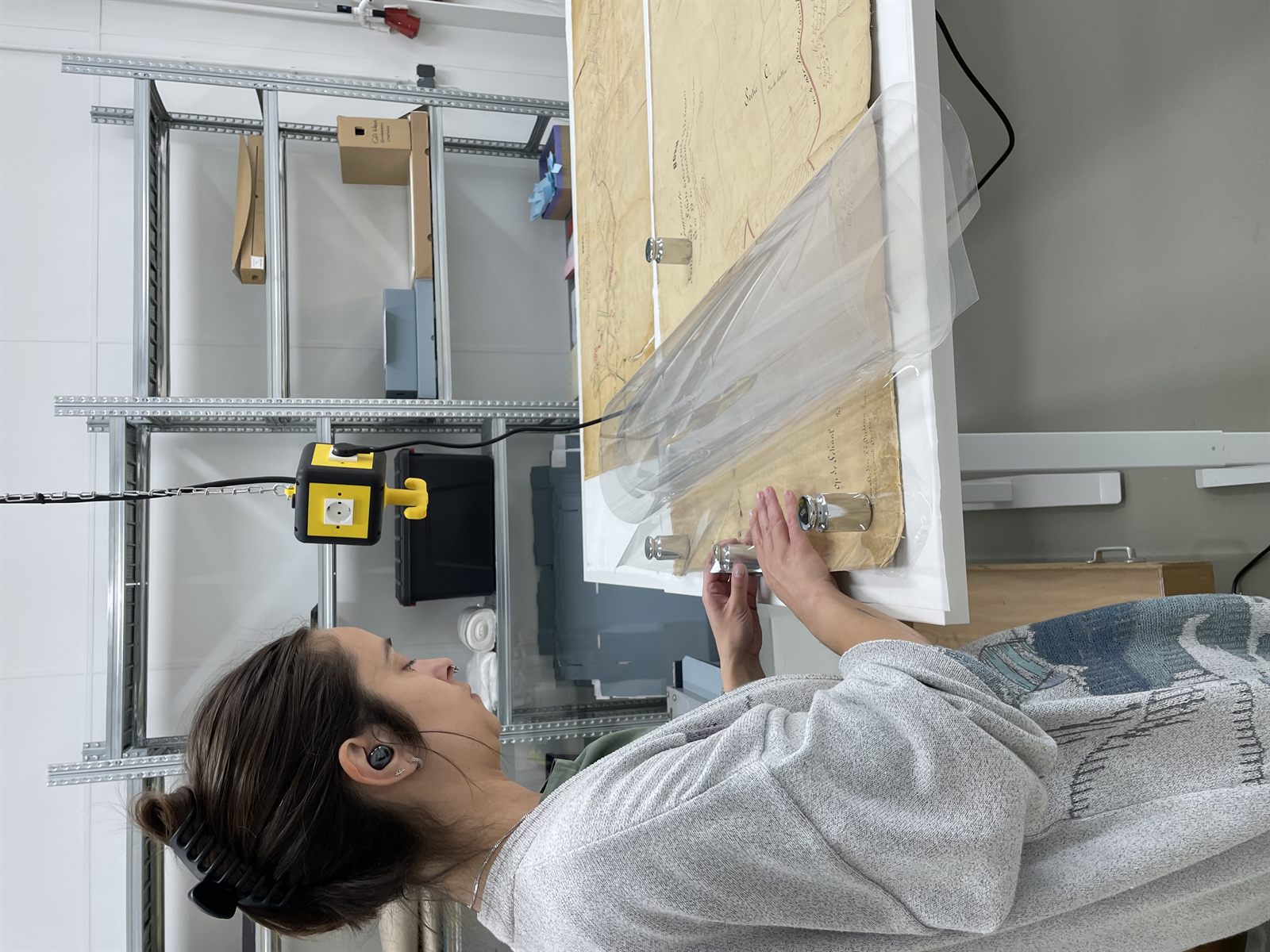
A look at restoration as it is actually carried out at 2dA
These images show how treatment, preparation and careful handling come together in the restoration studio. This keeps the page visually rich while maintaining the calm style of the rest of the trajectory.
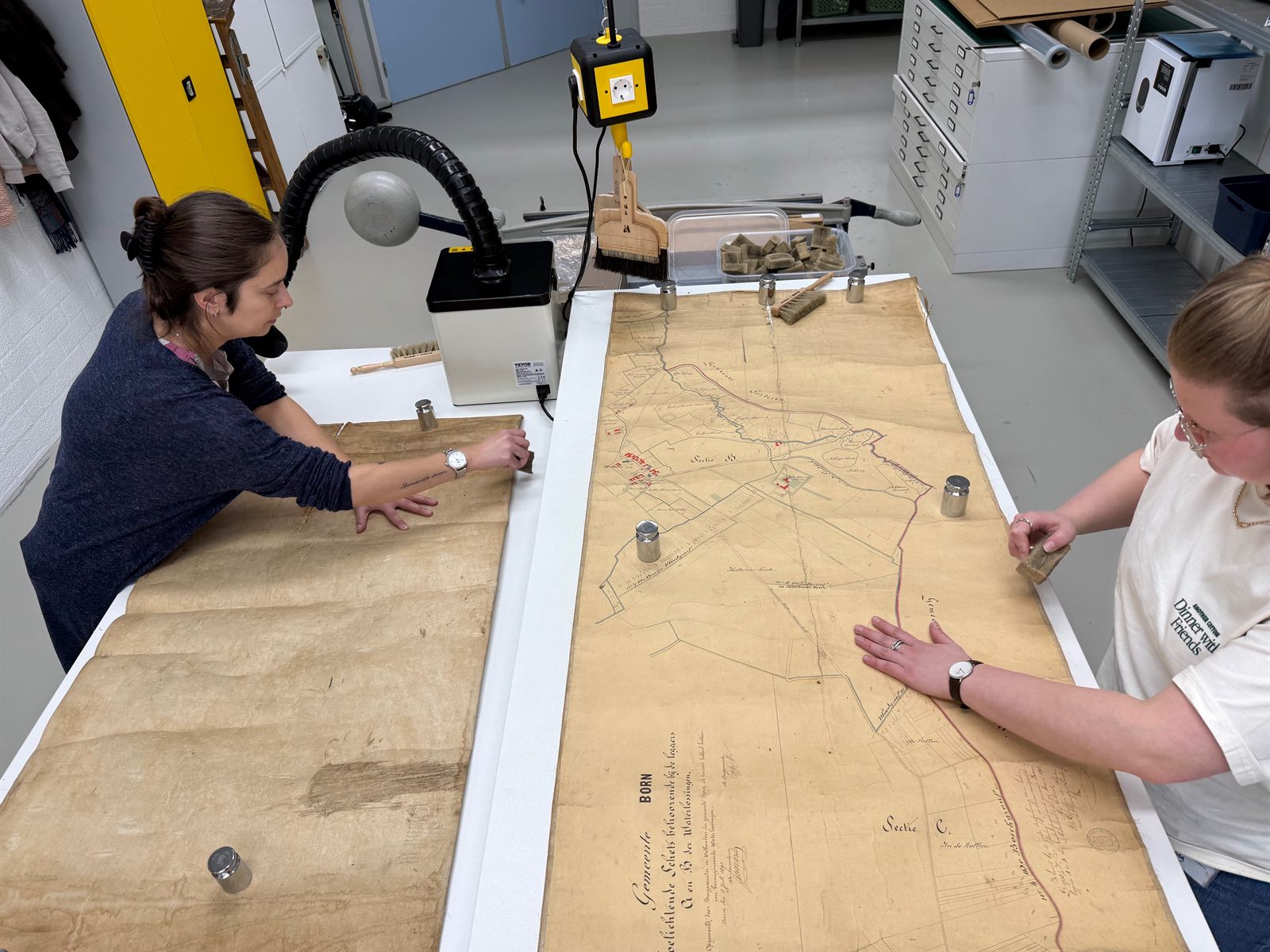
Craft in detail
No standard production, but concentrated craftsmanship
This gallery not only shows images, but also the attitude behind the work: patience, precision and respect for material that is often unique and irreplaceable.
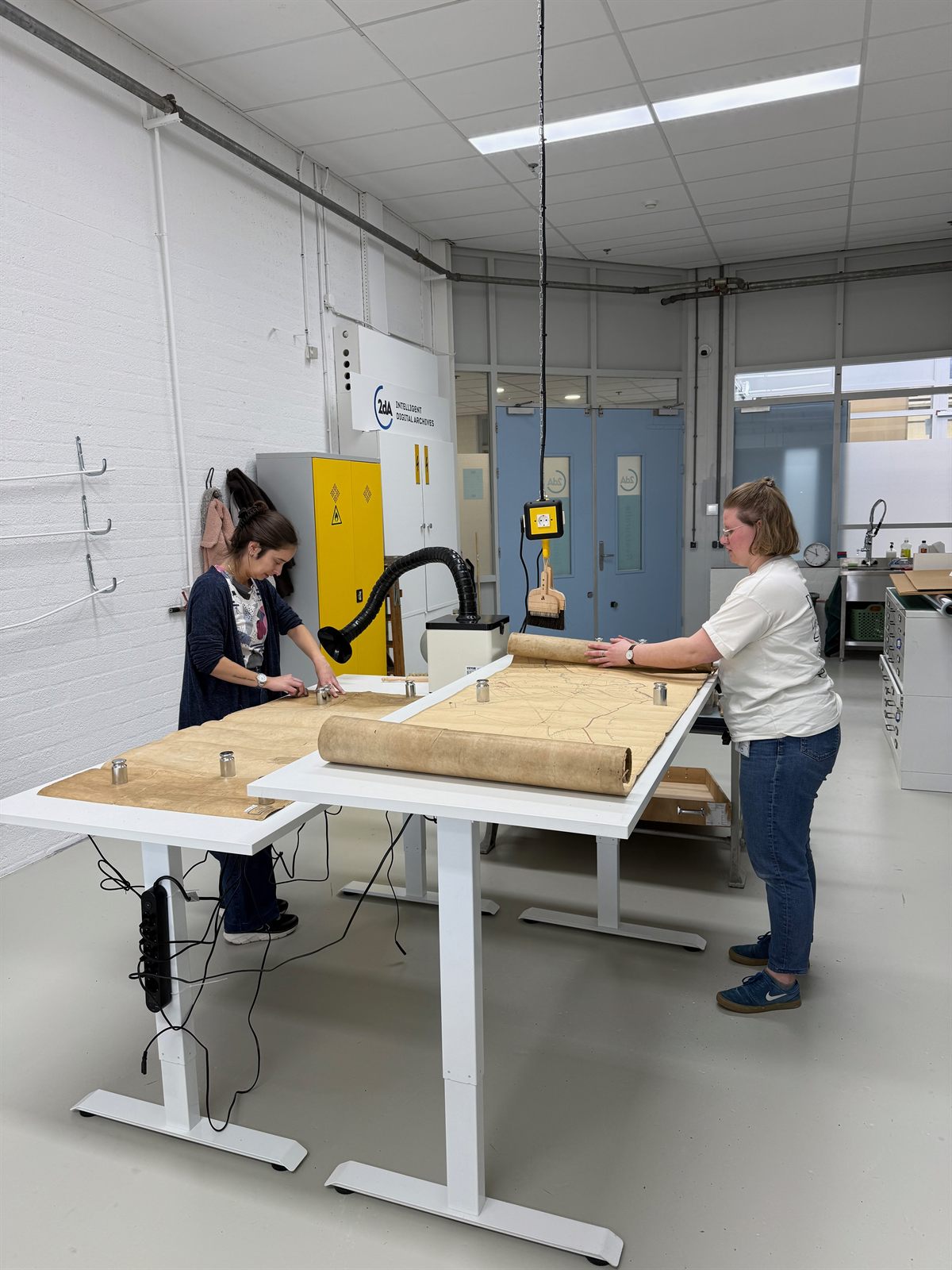
Precision work
Every treatment begins with looking, feeling and weighing
With fragile material, no action is self-evident. It is exactly this calm detail work that determines whether an object remains safe to handle, scan and keep stable later on.
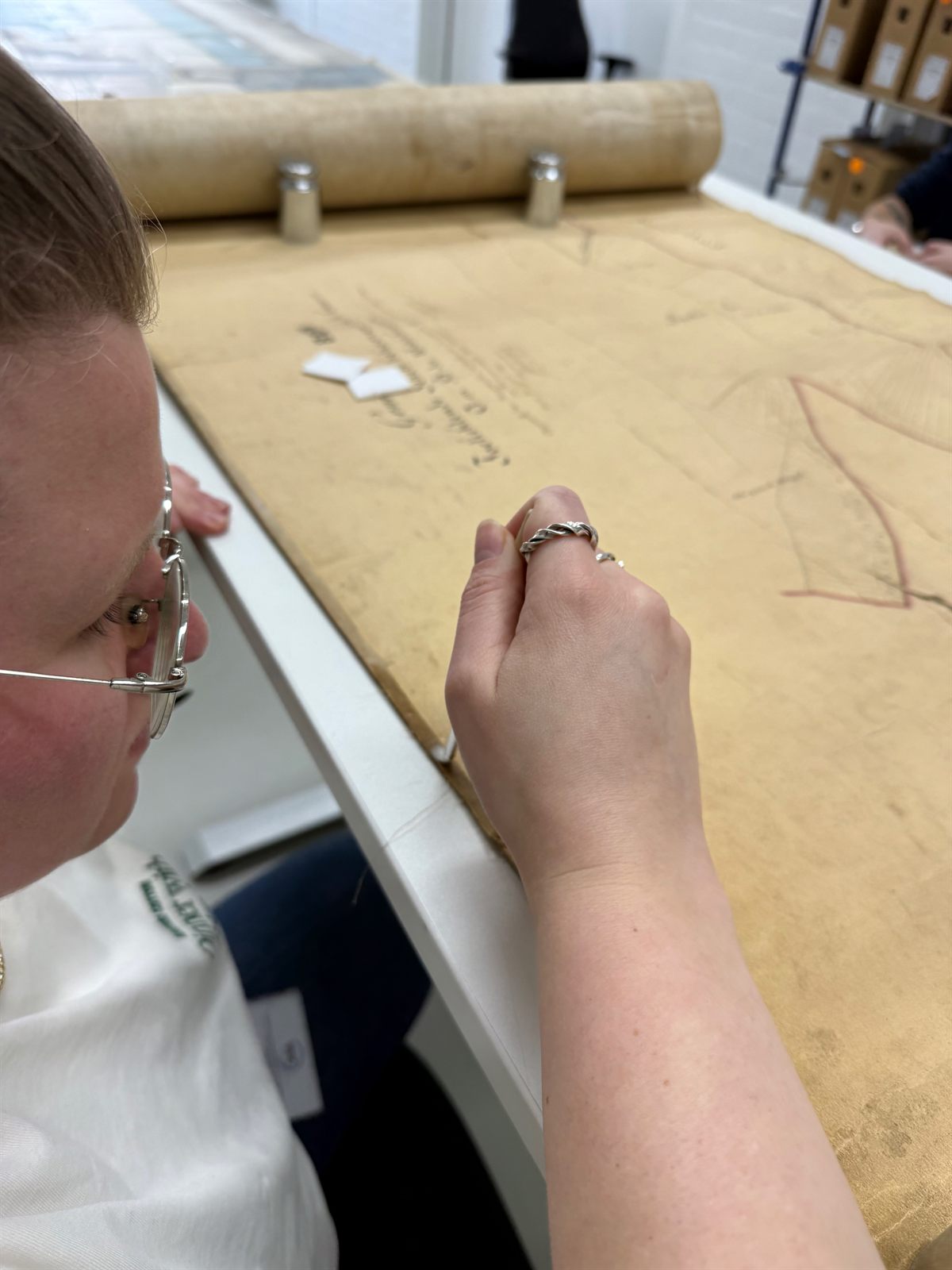
Preparation
A good start prevents pressure on the material later in the trajectory
Preparation is not an in-between step, but an essential part of restoration. This is where it is decided how safely the next phases of treatment and digitisation can proceed.
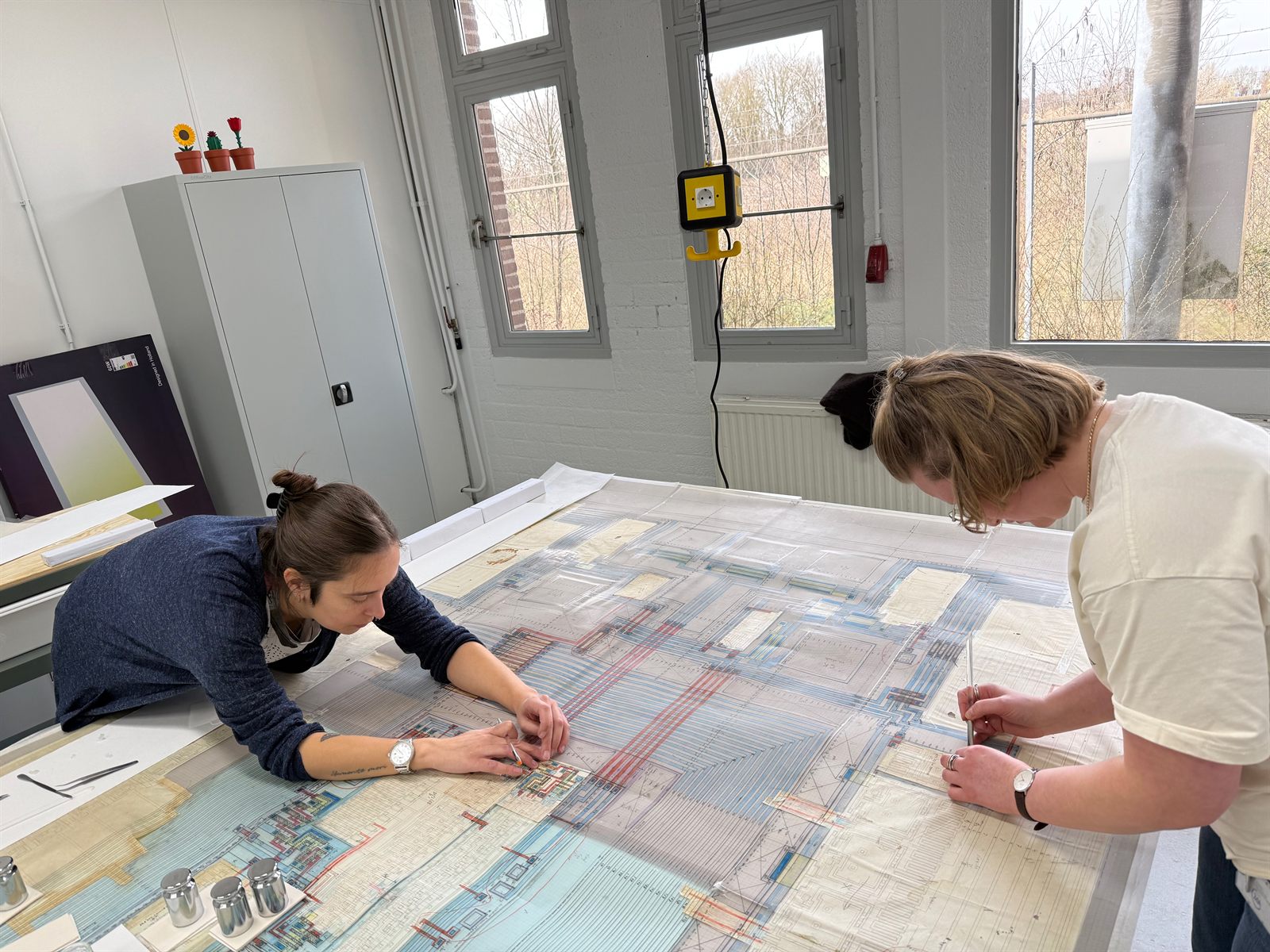
Large format
With larger material, every movement becomes part of the treatment
Large-format maps and plans require overview, collaboration and a work setup that already includes tension, risk and onward use from the outset.
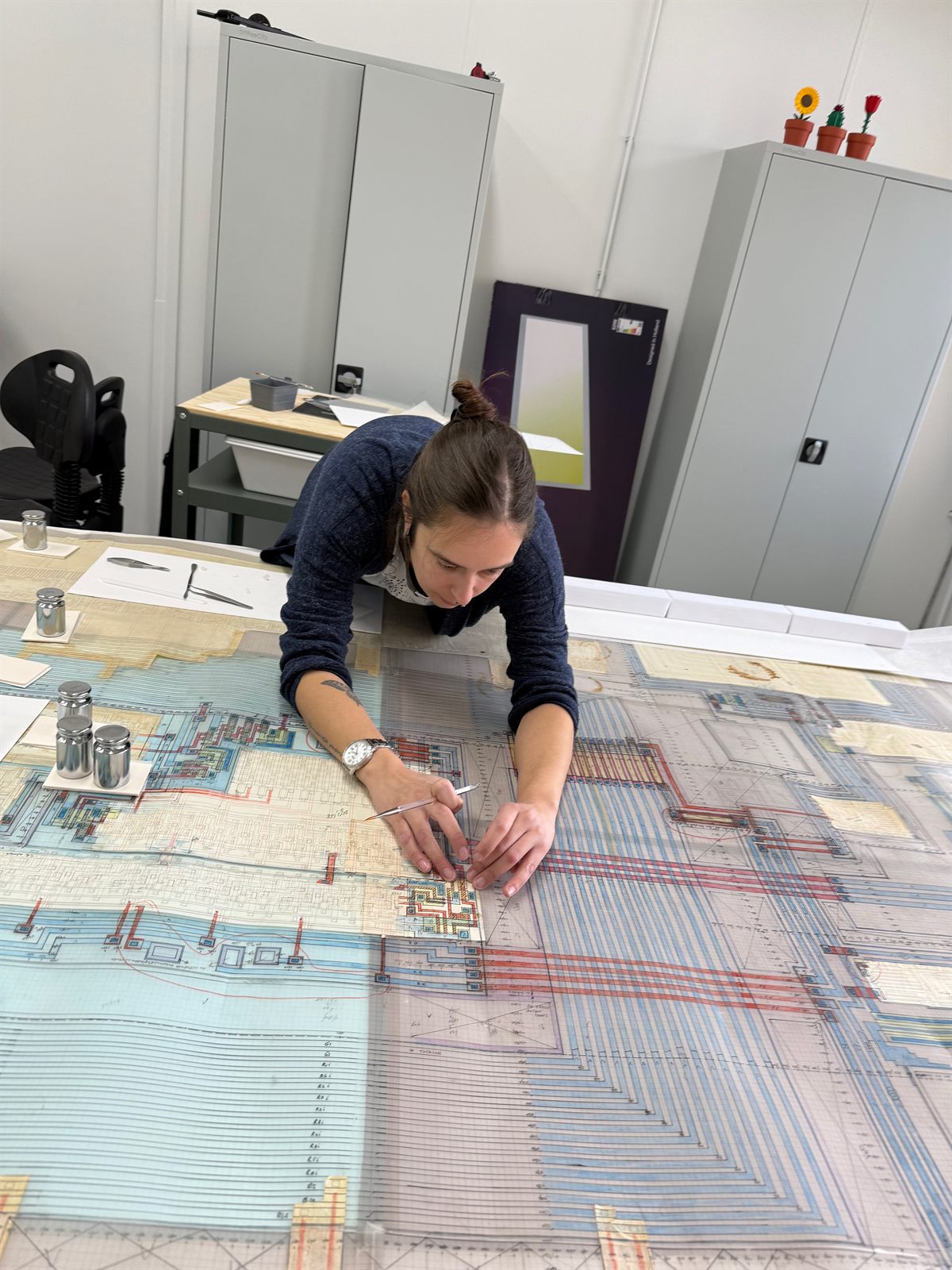
Craftsmanship
This is why restoration remains real human work
Not every item follows a standard route. Manual treatment makes it possible to work material-first without losing sight of historical build-up or informational value.
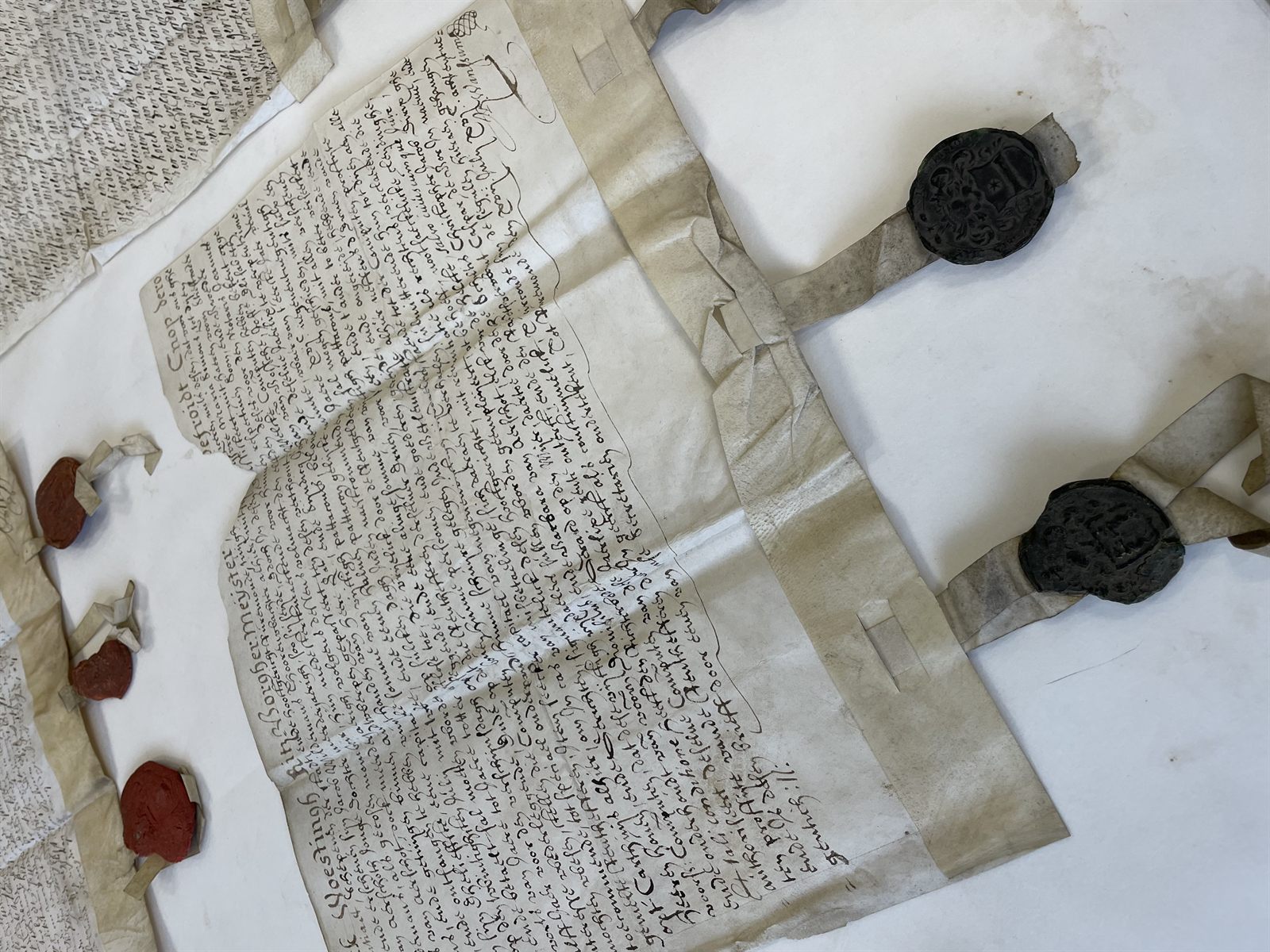
Follow-up value
Treatment becomes stronger when the next step is already taken into account
At 2dA, restoration does not stand alone. Every intervention is assessed in relation to scanning, packaging, storage and sustainable accessibility.
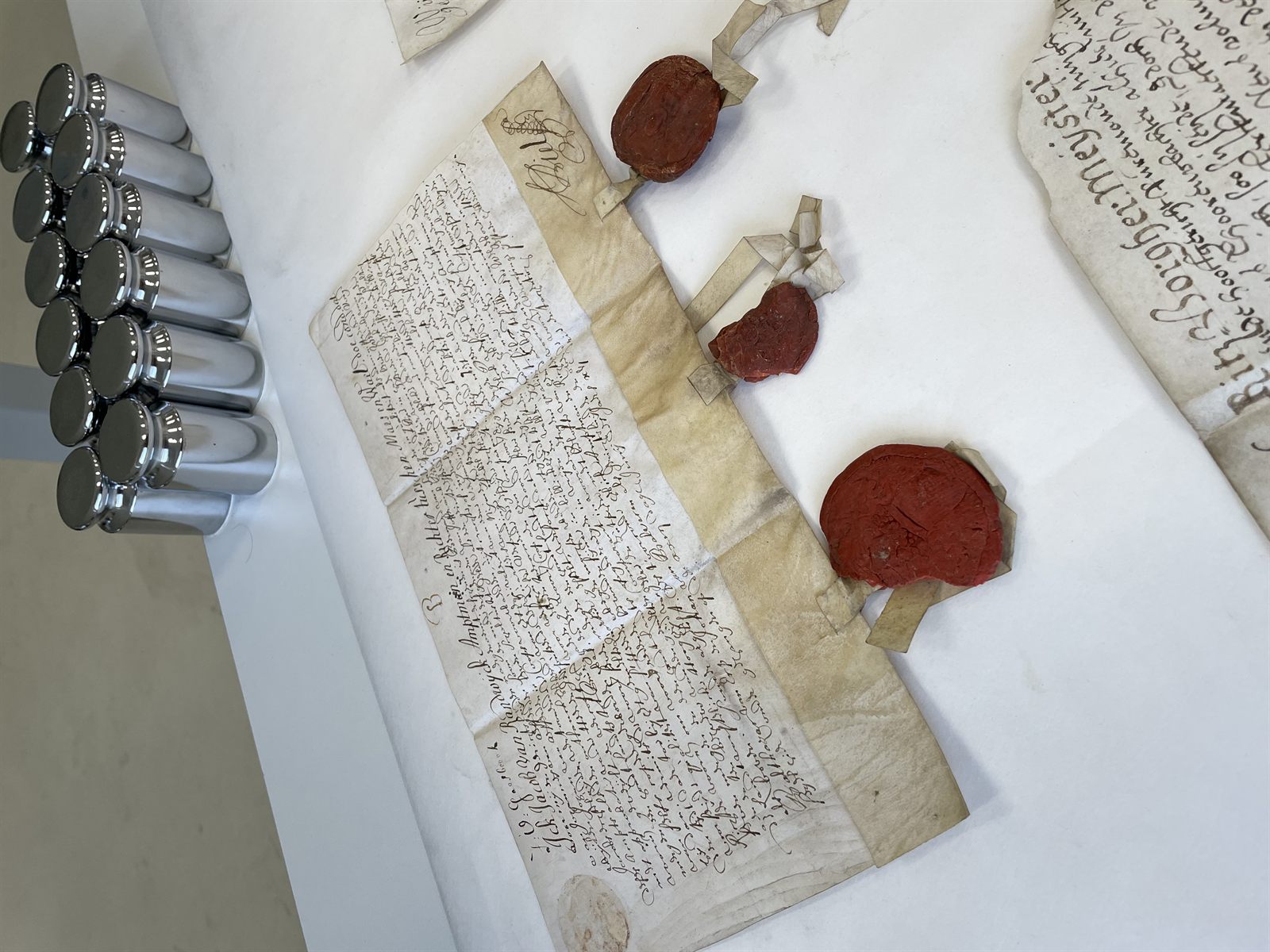
Alignment
Support and handling are just as important as the treatment itself
It is exactly in the alignment between material, support and working method that follow-on damage is prevented. That requires attention, rhythm and technical control.
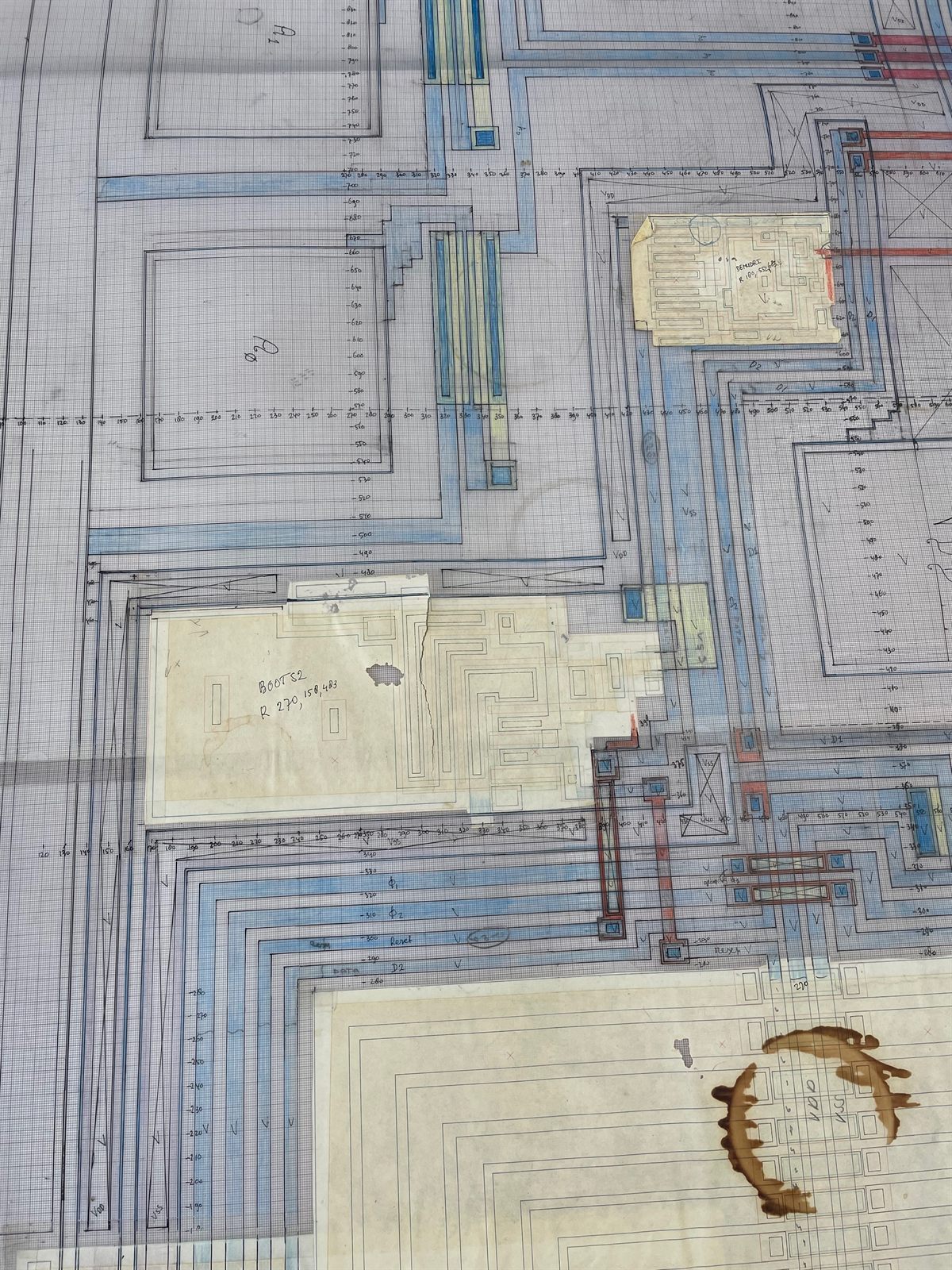
Process
Fragile material requires a route, not a stand-alone action
In the studio, we not only look at damage but also at the behaviour of the material and the practical feasibility of everything that still needs to happen afterwards.
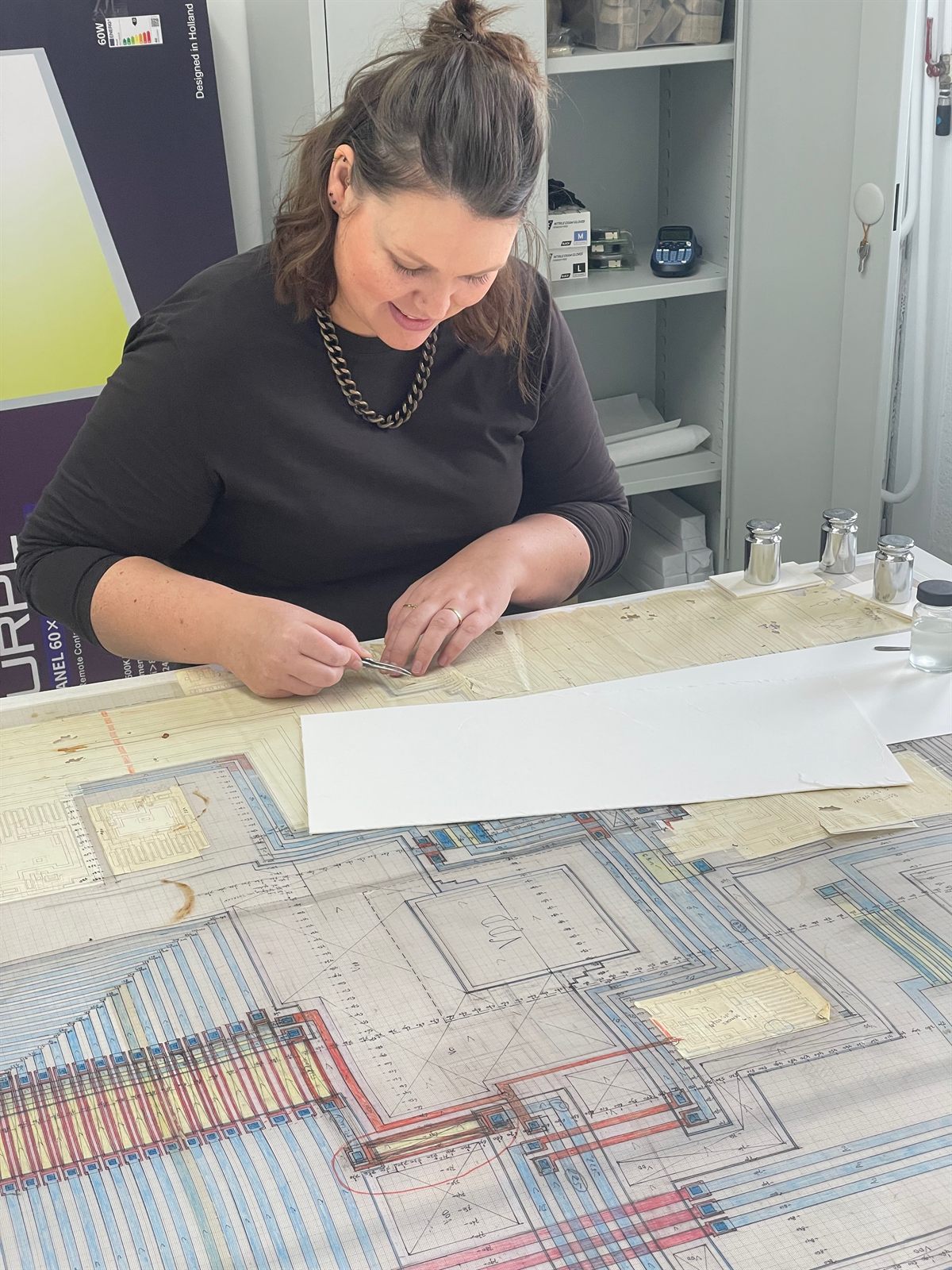
Future-oriented
Good restoration always looks further than the object of today
By linking every step to risk, informational value and future use, treatment becomes not only careful but also sustainably usable.
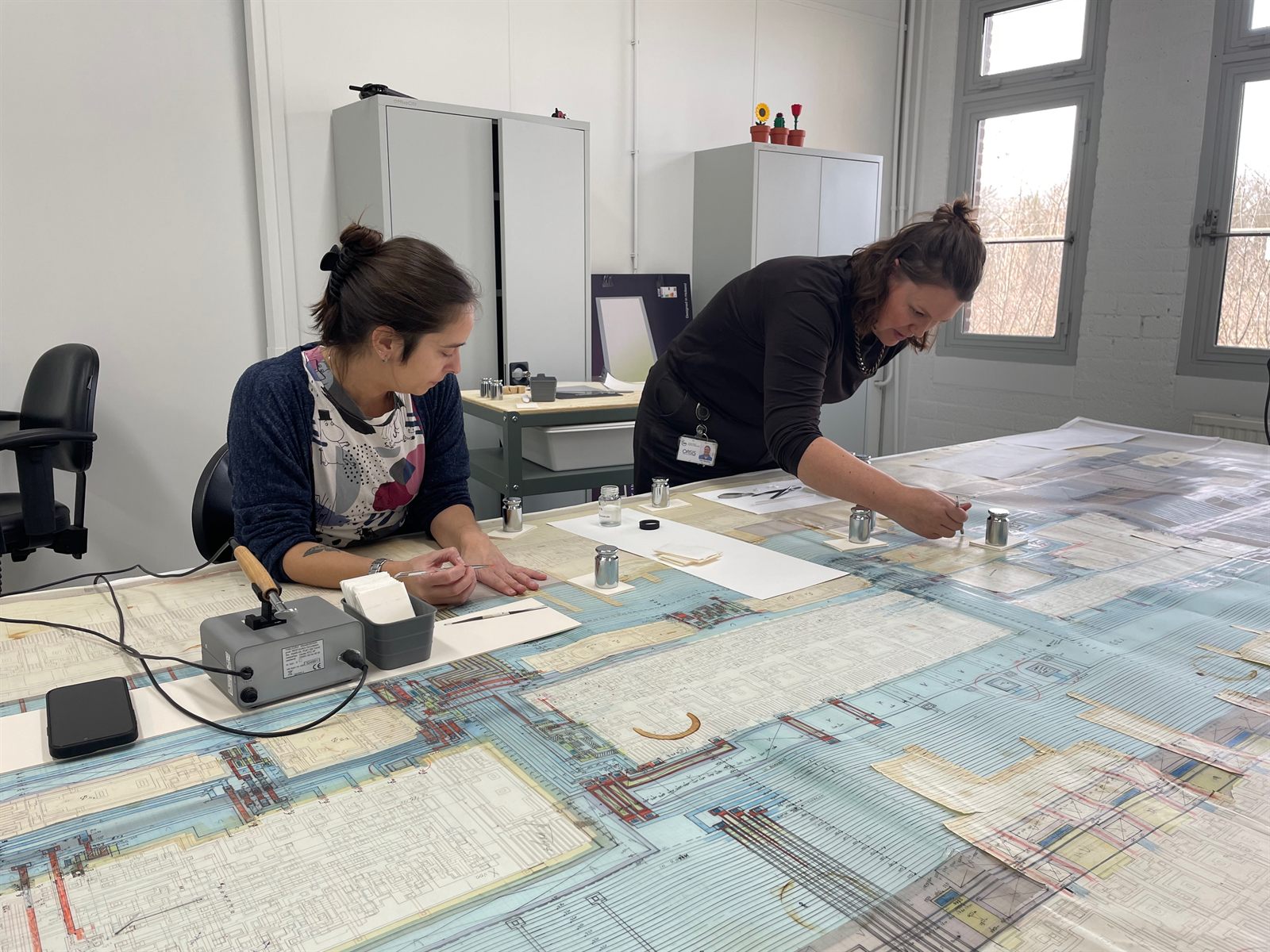
Scan-safe
Treatment only becomes truly valuable when onward use is safe again
When material can responsibly move through the scan line, depot or retrieval process again after restoration, the real added value of the work emerges.
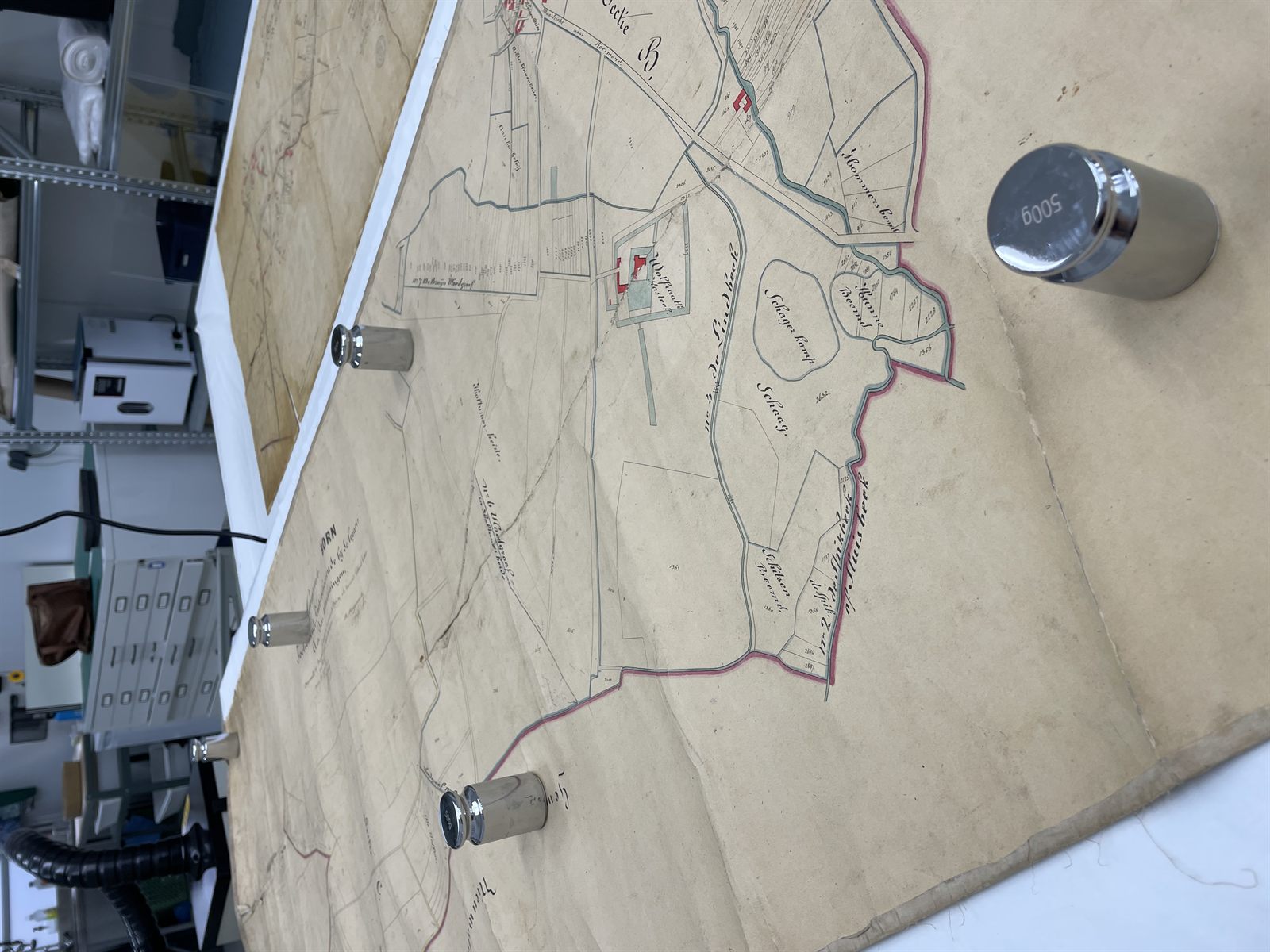
Control
Restoration helps not only the material, but also the organisation around it
By making risks more manageable, restoration creates more calm in planning, execution and decision-making within larger preservation and digitisation trajectories.
Coherence
Preservation, treatment and digital accessibility stay in the same line
That is what 2dA's restoration studio ultimately leads to: not isolated interventions, but one coherent trajectory that moves both material and information forward.
What restoration delivers in practice at 2dA
A strong restoration trajectory does more than repair damage. It gives organisations more control over risks, makes follow-up choices more workable and helps sharpen priorities within larger digitisation or preservation projects.
- less risk of extra damage during scanning, packing and transport
- better handling of large-format, brittle or distorted material
- more calm in planning because disruption and improvisation decrease
- a higher chance of complete, flat and clearly readable digital captures
- better alignment between the studio, scan line, depot and retrieval process
This is how restoration becomes a foundation under a broader trajectory of heritage digitisation, scanning on demand and sustainable accessibility.
For which material restoration is especially relevant
Large-format maps and plans
In large formats, small damages immediately affect handling, tension and image quality. Restoration makes a controlled next step possible here.
Parchments, sealed items and fragile documents
Composite objects require treatment that also respects fastenings, material transitions and historical build-up.
Technical drawings and fragile files
When material still needs to be scanned, consulted or safely packed later on, restoration determines whether that route can be carried out responsibly.
Why restoration at 2dA is never separate from digitisation
Restoration only gains real value when material can then be scanned, packed, stored or retrieved safely. That is why we keep looking ahead in the studio: how should this object move through the scan line, what support is needed, which metadata or logistics belong to it and how do we prevent follow-on damage during transport or consultation?
- stabilisation before scanning or capture
- treatment aligned to handling and flatness
- connection with metadata, file structure and follow-up logistics
- preparation for safe storage and retrieval
- stronger alignment with heritage digitisation and scanning trajectories
What organisations notice from that
When restoration, digitisation and management align from the start, the entire trajectory becomes calmer and more workable.
- less disruption or improvisation in scanning and packing processes
- clearer prioritisation within preservation and digitisation trajectories
- more control over risks around fragile or distorted material
- better quality of the final digital capture
- a more logical transition from studio to scan line and storage
What restoration connects to in substance
Restoration rarely stands alone. Especially in heritage and archive trajectories, treatment connects to several follow-up steps within the same information chain.
- heritage digitisation in broader collection trajectories
- archive digitisation and scan lines for follow-up capture
- archive storage and packaging for safe ongoing management
- metadata and access for later consultation
- scanning on demand for fragile material that must become available in a targeted way
What 2dA adds to restoration trajectories
2dA's strength lies in the combination of restoration expertise, production power and digital process knowledge. That means restoration does not remain separate from the bigger picture, but becomes part of a workable trajectory towards preservation, digitisation and sustainable accessibility.
- restorers with an eye for material, risk and onward use
- direct connection with scanning, metadata and logistical workflows
- a practical translation from studio to day-to-day execution
- support with prioritisation within larger projects
- an approach in which preservation and usability move forward together
FAQ
Frequently asked questions about restoration
When is restoration needed before digitisation?
When material is too fragile, too distorted or too risky to scan, move or handle safely without first being stabilised.
Is restoration only relevant for heritage institutions?
No. Archive services, governments and organisations with fragile large-format or special material also benefit from careful treatment before onward use.
Can restoration be combined with scanning on demand?
Yes. Especially when fragile items need to be made available in a targeted way, restoration helps make them safely accessible again without putting further strain on their condition.
Does 2dA have restorers in-house?
Yes. In 2dA's restoration studio, restorers work on stabilisation, repair and preparatory treatment of fragile material as part of a broader route towards management, digitisation and sustainable accessibility.
Does 2dA also look at the follow-up steps after restoration?
Yes. At 2dA, restoration is always linked to scanning, packaging, metadata, storage and further consultation or digital availability.
Coherence
Related routes
At 2dA, restoration works best as part of a broader line in which preservation, digitisation and sustainable accessibility come together.
Would you like to know what restoration can make possible for your material?
Whether it concerns stabilisation before digitisation, treatment of fragile items or a first assessment of risks and next steps: 2dA helps organise restoration in a way that is both substantively strong and practically workable.
Why this works
Restoration makes fragile material not only safer, but also usable again for the next step
By approaching treatment, handling, scanning and follow-up management as one route, 2dA helps organisations preserve fragile material responsibly while keeping it practically usable.