The best scanner choice starts with material, workflow, operator and downstream use.
Scanner platforms
Scanners that fit the material, the process and the software layer behind it
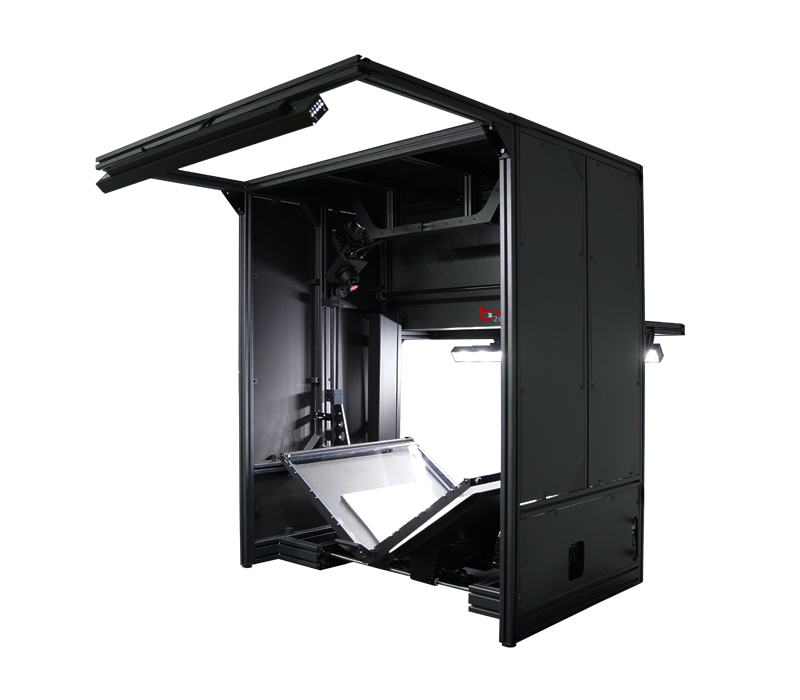
At 2dA, we do not choose scanners because a brand is well known, but because the combination of image quality, ergonomics, preservation, productivity and system integration must work in practice. That is why we work deliberately with lines from Microbox/book2net, i2S and Inotec Scamax. Not as a loose hardware supplier, but as a partner that uses this equipment in its own scan lines, supports it at customer sites and lets it work fully together with our software products, quality routines and scanning-on-demand systems. That review is not done by operators and technicians alone: archivists, restorers and technical specialists also assess what the material, metadata and downstream use demand.
Microbox / book2neti2SInotec ScamaxWorkflow and software
Why choose carefully
Not every scanner is built for the same kind of work
For heritage, archives and document-intensive environments, some systems are stronger with fragile bound material, others with high volumes, large formats, scan-and-go or local scan desks.
2dA role
Full support in software and processes
Our software products, quality routines and scanning-on-demand solutions are configured around this equipment. That means we support not only capture, but also presets, quality control, metadata, operator guidance and integration in customer environments. ICT specialists and programmers build that software layer, while archivists and restorers can assess the substantive demands placed on capture.
Image quality must remain explainable and scalable in production, control and delivery.
2dA does not deliver a box, but a scanner environment that truly works together with systems and processes.
Why Microbox/book2net, i2S and Inotec Scamax
These lines have proven themselves in heritage and archive practice, but in different ways. Microbox/book2net is strong in modular camera setups, repro and V-systems, large formats and high productivity. i2S is strong in configurable open systems, scan-and-go scenarios, standards-driven work and specialist solutions from small to large format. Inotec Scamax stands out where high volumes, stable feeding, reliability and industrial-scale document processing are required.
Where 2dA makes the difference
We connect hardware to capture profiles, quality control, operator flows, metadata transfer, dossier logic, batch processing and scanning-on-demand handling. That turns the scanner into part of a working system. Every environment we set up connects to our own software products, so capture, quality, metadata and downstream use keep working in the same line.
Why we work with real document cameras
For high-quality digitisation, it matters whether a camera was designed for document capture or mainly for general-purpose imaging. 2dA deliberately chooses professional camera systems and scanner setups developed specifically for documents, archives, heritage and reproducible image quality. That creates more stability in sharpness, lighting, colour rendering, flatness and standards-based work than environments that rely on generic consumer equipment.
Professional without compromise
That choice fits how 2dA works: not for a quick impression, but for an environment that remains explainable, controllable and production-ready over time. That is exactly why a 2dA scanner line feels professional in execution and dependable in result.
Why we do not pretend all scanners are the same
In practice, most problems do not arise because a scanner is entirely wrong, but because it is just not the right fit for the material, the pace, the operator or the downstream system. That is why 2dA deliberately distinguishes between capture setups, production scanners, large-format systems and customer environments with their own equipment.
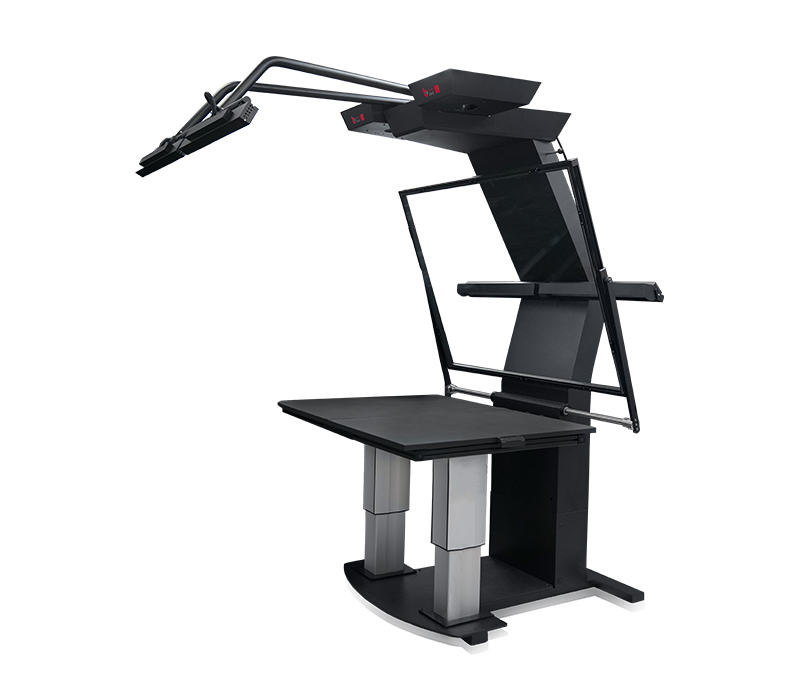
That difference matters immediately for building plans, revision drawings, floor plans and other large-format documents. It is not only the sheet size that matters, but also how detail, contrast, line work and later digital usability are preserved. Read more about large-format drawing digitisation.
Also in customer environments with existing scanners
More and more often, we support clients who already have equipment but want their scan environment to align better with scanning on demand, quality control, archive logic or local service delivery.
Scanner environment in view
A look at scanner and platform support as 2dA actually configures it
These images show how different scanner lines, formats and capture setups connect in practice to production, quality and software support. Hardware becomes visible here as part of a working service, not as a standalone device.
Production environment
Scanner choice only becomes valuable when the whole environment works
At 2dA, we look not only at the scanner itself, but also at operator space, usability, quality control and the connection to the software layer behind it. That overall fit determines whether an environment remains sustainable in practice.
Capture to fit the material
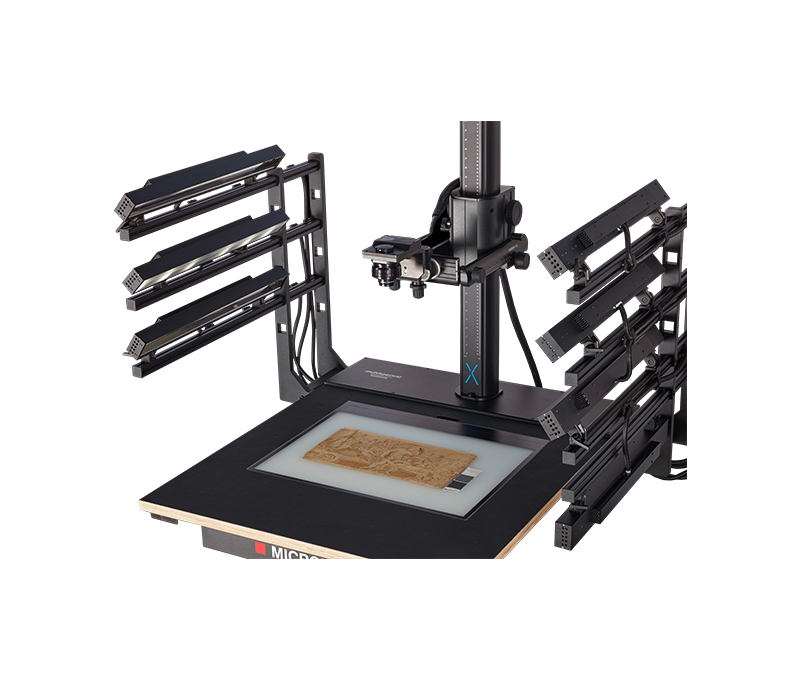
Not every type of material asks for the same capture setup
Some routes need calm V-systems and specialist support, others need modular repro setups or large-format capture. That is why 2dA always connects scanner lines to material behaviour and the steps that follow.
Quality route
Image quality only works when it remains explainable and reproducible
Standards, presets, quality checkpoints and operator guidance belong to the same environment. That is how 2dA prevents a strong scanner from underperforming because of a loose or illogical workflow.
Platform support
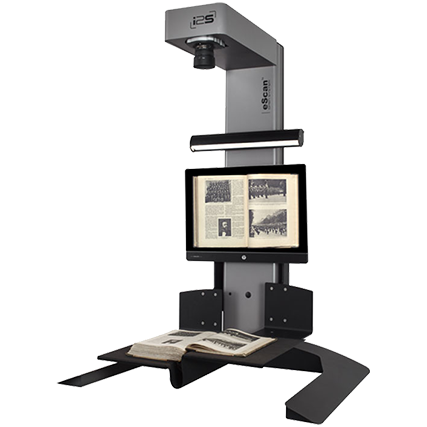
The scanner is part of a system, not the system itself
2dA supports environments in which capture, quality control, metadata and service delivery need to align. That makes hardware part of a working process rather than an isolated island.
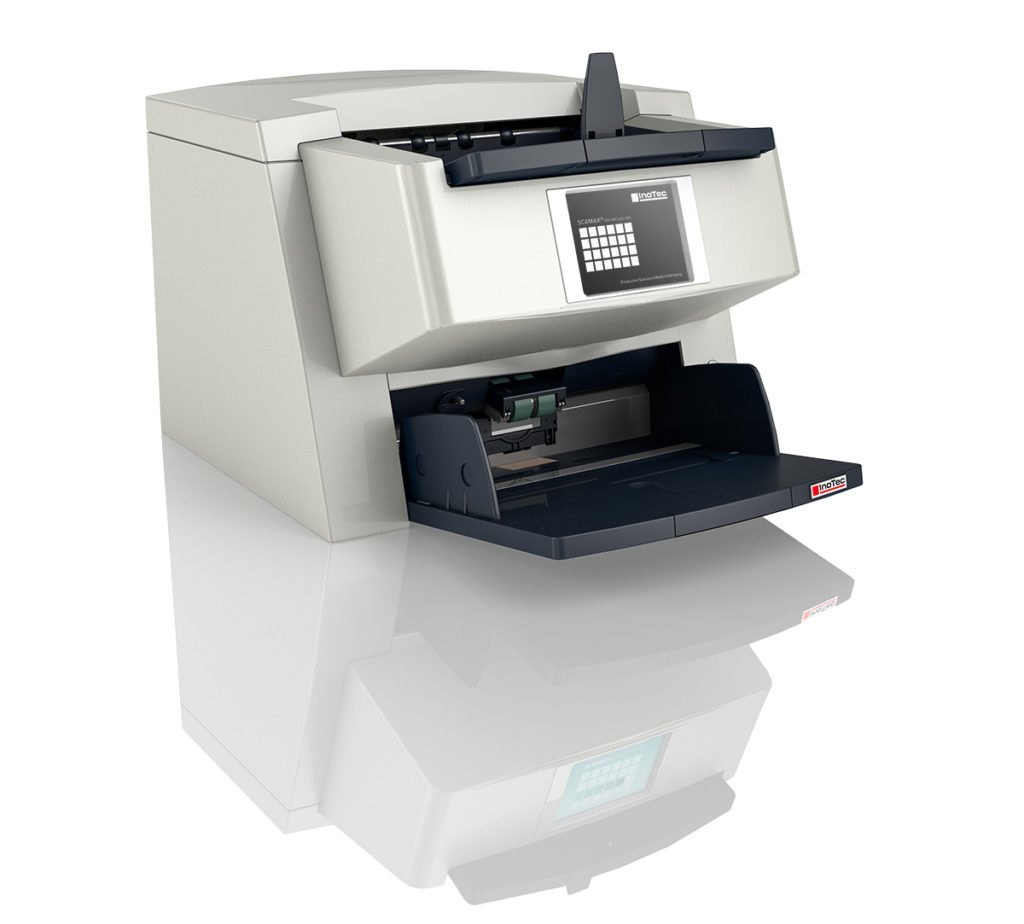
Volume scanning
Inotec Scamax fits where speed, stability and continuity have to come together
With large document streams, pace alone does not decide success. Consistent feeding, explainable quality and strong connection to downstream processing matter just as much. That is why a line such as Inotec Scamax performs strongly in environments where production and reliability both lead.
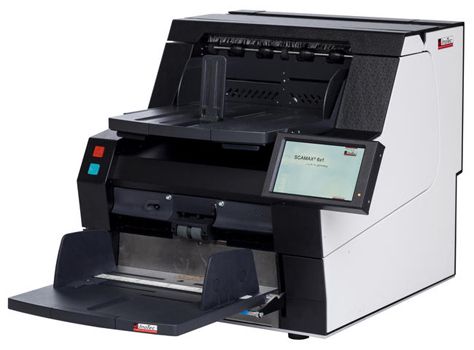
Software layer
These scanners also work with 2dA's software products
For 2dA, scanner support is never separate from software. That is why we ensure that this type of production scanner also works logically with our software products for capture, quality control, metadata, batch processing and scanning on demand.
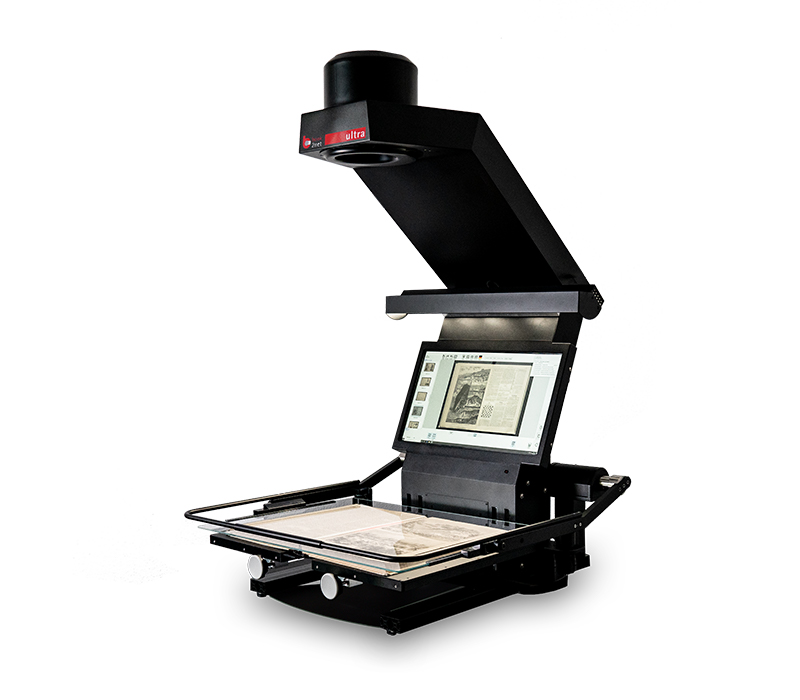
Scaling up
Even in production environments, alignment between hardware and process remains decisive
As volumes increase, workflow and software support become even more important. That is exactly where 2dA helps align capture, operators, batches and downstream output into one coherent route.
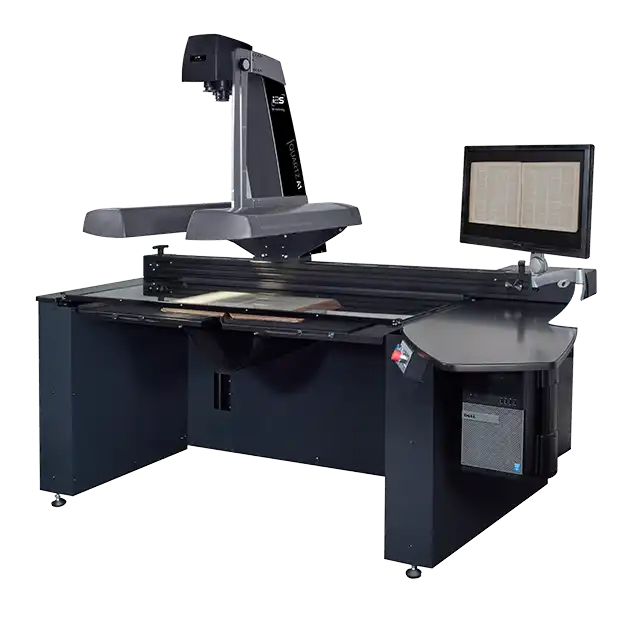
Downstream use
A strong scanner environment always looks beyond today's image
The real value appears when equipment works well together with scanning on demand, metadata, depot logic and client processes. That is when scanner support becomes a structural part of service delivery.
FAQ
Frequently asked questions about scanners and platform support
Can 2dA also help if we already have scanners?
Yes. That is exactly where 2dA can help connect equipment more effectively to workflow, metadata, quality and service delivery.
Is this only about hardware selection?
No. The real added value lies in the combination of hardware, software, operator logic, quality control and output.
Connected routes
Related routes
Do you want a scanner environment that truly fits the material and workflow?
2dA helps you combine scanner choice, quality, metadata and software into a working service.
Why this works
The right scanner only becomes valuable when it fits into a real production and service route
By connecting hardware to process, quality and software, 2dA helps organisations use scanner environments in a durable and workable way.