More than a digitisation round
The pilot is part of the wider idea of the archive as a public utility: archives are not only stored, but made reliable, durable and usable as shared information infrastructure. Phase 1 focuses on digital content. The next phases focus on linked open data, connected collections and networked access.
From archive metres to digital access
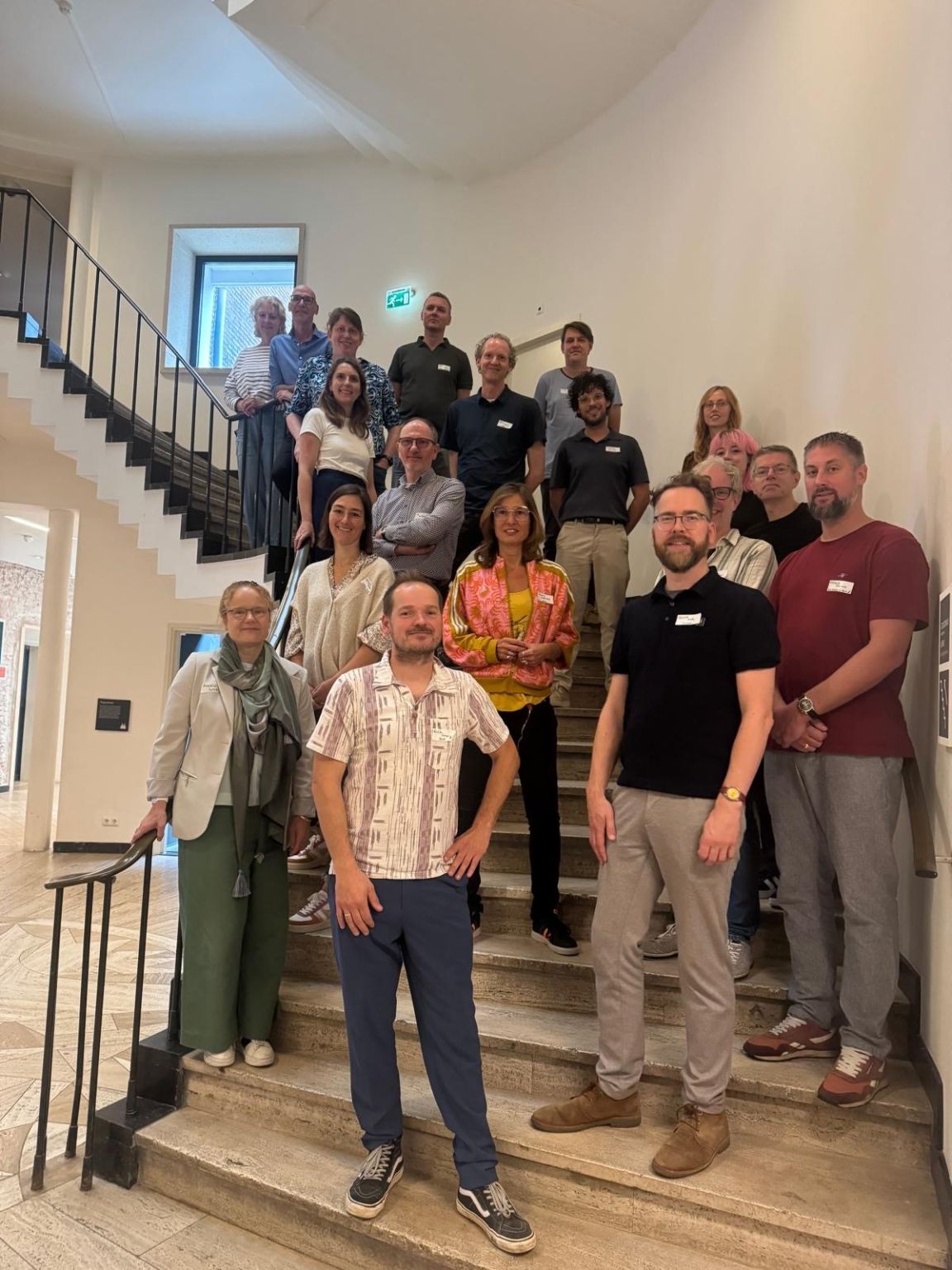
A pilot becomes truly interesting when it delivers not only production, but also a better way for the field to work together. That is what happened here. Project team 1, with people from several archive institutions, brought material, choices, quality control and return delivery together in a route that had to work in practice.
2dA's role
In the update, 2dA is thanked for accessible communication and strong commitment during the process. That may sound simple, but for projects like this it is exactly the core. Digitisation is not only scanning. It is coordination, explanation, careful handling of material, keeping pace and making sure organisations trust what comes back.
2dA also shared practical knowledge with the project team about preparing archive data for local AI workflows: structuring data into meaningful chunks, using embeddings and local vector stores for search and analysis, and setting up this kind of route on a local GPU environment when institutions want to keep control over their own data.
What this means for your archive
For organisations with large archives, the lesson is clear: digital access takes more than capacity. It takes a partner who understands the material, makes choices explainable, safeguards quality and already considers how the data will later be found, connected and used securely.
Why this pilot matters
The result is concrete: 259,227 scans made digitally accessible, representing almost 52 metres of archive material. But just as important is the way new connections emerged between archive institutions, project members, quality control and execution. In March 2026, KVAN also reported that the pilot already had a working proof of concept: unstructured material could be automatically enriched with metadata and structured.
Building further
The KVAN pilot Tot de bodem shows that automated access to archives does not start with technology alone. It starts with selection, understanding the material, quality agreements and a working method in which institutions can learn together. From that foundation, there is room for better metadata, smarter search layers, local AI agents and applications in which archive institutions keep control over source data, context and infrastructure.