Can fragile items be digitised safely?
Often yes, but not always immediately. Some materials first require assessment, stabilisation or treatment. That is exactly why an intake matters: to determine what is responsible and which route fits best.
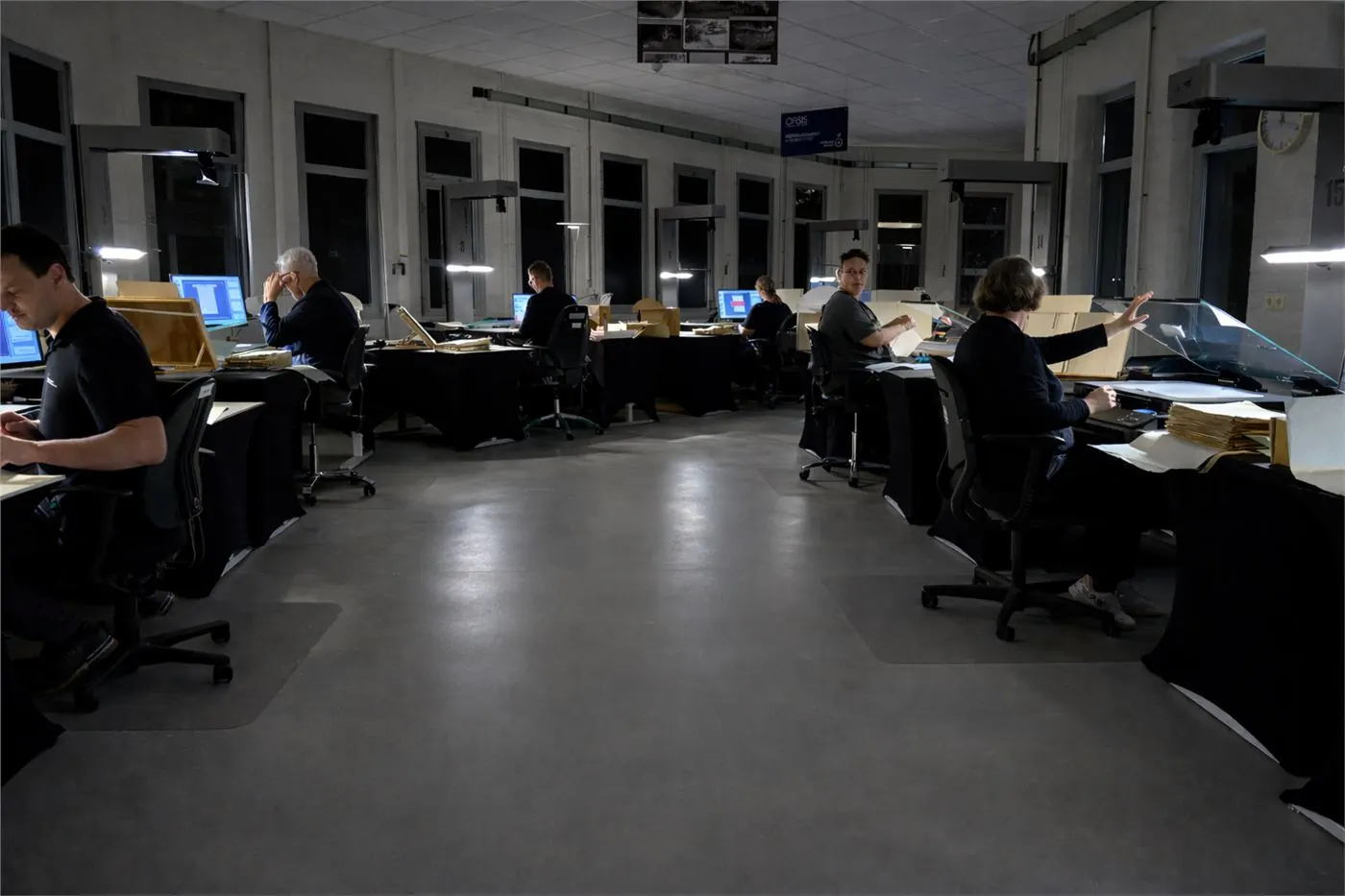
Here you will find clear answers to practical questions about projects, quality, privacy, metadata and digital delivery. Many of these questions appear early in a trajectory. Answering them in time helps make the right route clear much faster.
Costs depend on the type of material, volumes, required quality, preparation, metadata, OCR, HTR, anonymisation and the form of digital delivery. An initial estimate is usually possible as soon as it is clear what exactly needs to be digitised and what the outcome needs to support.
Planning is strongly determined by scale, the condition of the material, the desired enrichment, privacy aspects and the amount of preparation required. That is why realistic planning always starts with a good intake and inventory.
Often yes, but not always immediately. Some materials first require assessment, stabilisation or treatment. That is exactly why an intake matters: to determine what is responsible and which route fits best.
Yes, when that is relevant to the usability of the digital collection or file environment. For many projects, that layer is exactly what determines findability and practical usability.
Yes. Anonymisation can be configured as an integrated workflow step in the trajectory. We then look not only at content, but also at selection, metadata, permissions and the way information remains accessible later.
That depends on the goal. Delivery has to match management, consultation and further access. That is why we look not only at file formats, but also at naming, structure and metadata.
No. OCR is especially valuable when the material is suitable for it and when searchability truly adds something to use or management. With complex layouts, handwriting or fragile material, the first question is what users actually need to be able to find later.
Yes. Corporate archives often require a combination of digitisation, ordering, retention periods, metadata and practical accessibility. That is why 2dA has created a dedicated substantive route for this area.
This FAQ does not replace an intake. The page mainly helps bring the right questions to the table more quickly. That is why 2dA refers visitors to substantive follow-up pages where relevant, so they do not stay stuck in general answers but can move directly to the context that resembles their situation.
Would you like to know which route best fits your situation? View the related pages or get in touch.